
Since fighting broke out in Sudan in 2023 between the army, led by General Abdel Fattah al-Burhan, and the paramilitary Rapid Support Forces, AFP has been reporting from one of the world’s most complex and dangerous environments, amid extreme insecurity, widespread disinformation, and the near-total withdrawal of international media. Despite the destruction of its Khartoum bureau, AFP has continued to cover the conflict from inside the country, documenting the battle for control, including the fall of El-Fasher, the last military stronghold in western Sudan.
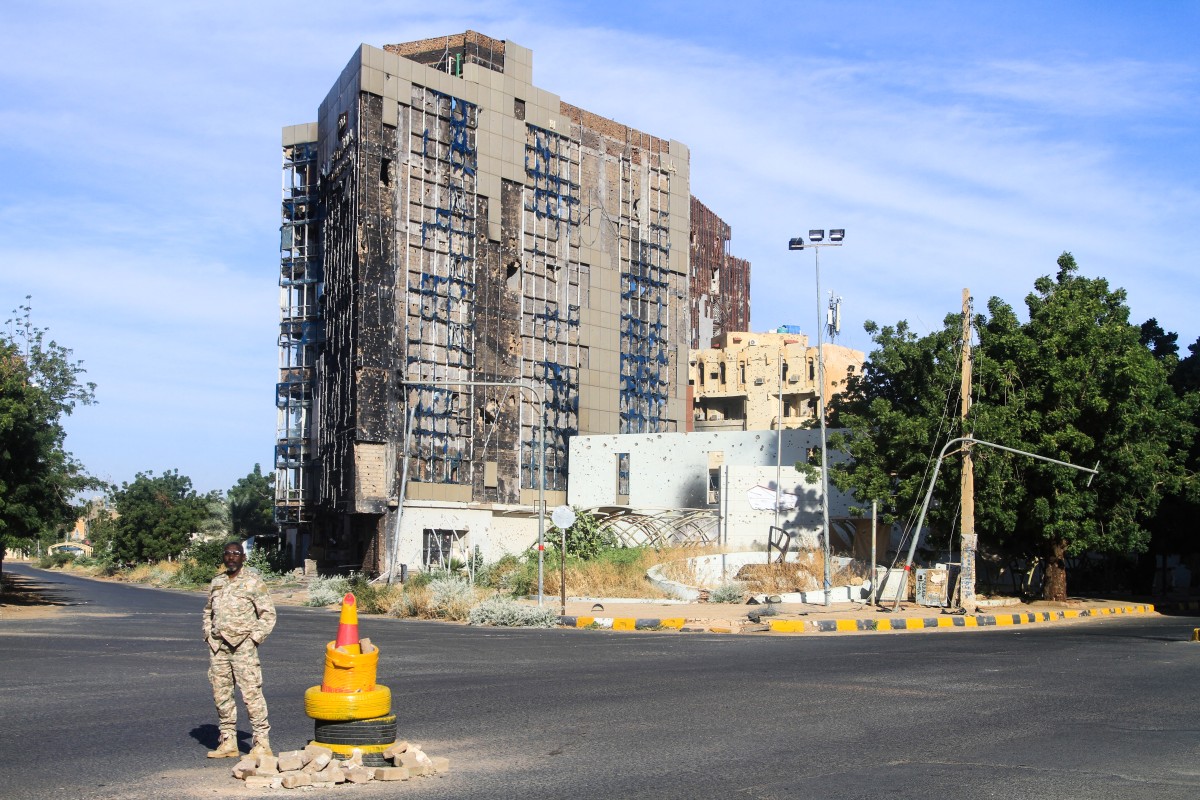
A member of security stands in front of a destroyed highrise building, as efforts to restore the city’s infrastructure resumes after nearly three years of devastation caused by war, in the Sudanese capital Khartoum on January 17, 2026. Sudan's Prime Minister announced on January 11, 2026, the government's return to Khartoum, after nearly three years of operating from its wartime capital of Port Sudan. © Ebrahim Hamid / AFP
How AFP Rebuilt Its Presence to cover Sudan
The war in Sudan is the most complicated and dangerous of all the conflicts in the Middle East region. Nearly all the international media have left Sudan since the start of the war in 2023 and AFP’s office in Khartoum was destroyed.
But our senior correspondent Abdelmoneim Abu Idris Ali remained and has continued to deliver exclusive content from his new base in Port Sudan, with the help of stringers. Abu Idris Ali’s unique network of sources across the country enables us to regularly be the first with important breaking news, such as the recent capture of the Heglig oil field near the border with South Sudan.
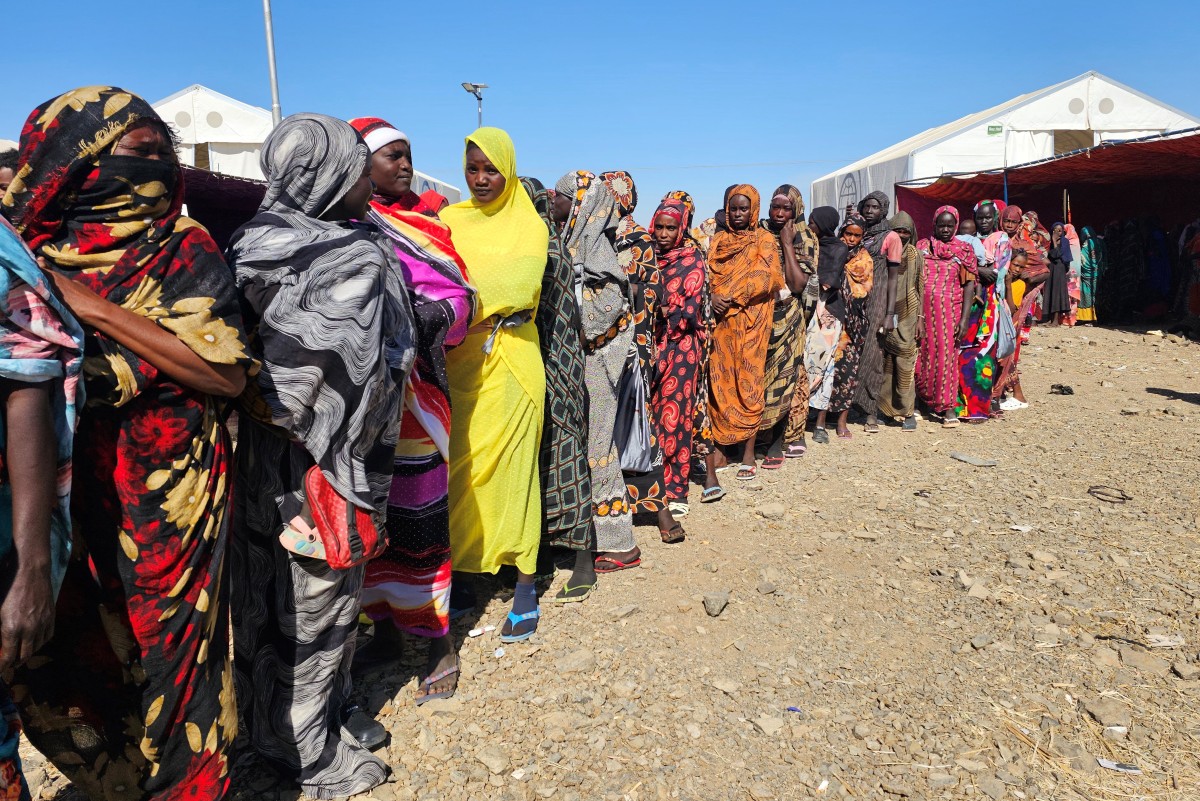
Sudanese displaced from the Heglig area in western Sudan wait to receive humanitarian aid at the Abu al-Naga displacement Camp in the in Gedaref State, some 420km east of the capital Khartoum on December 30, 2025. Since its outbreak in April 2023, the war between Sudan's army and the paramilitary Rapid Support Forces (RSF) has killed tens of thousands of people and displaced nearly 12 million. © Abdulrahman Gumaa / AFP
Coverage is coordinated by our bureau in Cairo where all the journalists have built up their own contacts among witnesses and aid workers, diplomats and experts who make regular visits to Sudan’s warzones, including to Darfur where the fight for control of the city of El-Fasher has been particularly brutal.
Access to Darfur or communications with its residents are complicated at the best of times and there has been no shortage of misinformation from both the government side and from the Rapid Support Forces (RSF) paramilitaries who had been besieging El Fasher for nearly 18 months before they finally captured the city on October 26. It was the last military stronghold in the west of the vast country – the third largest in Africa.
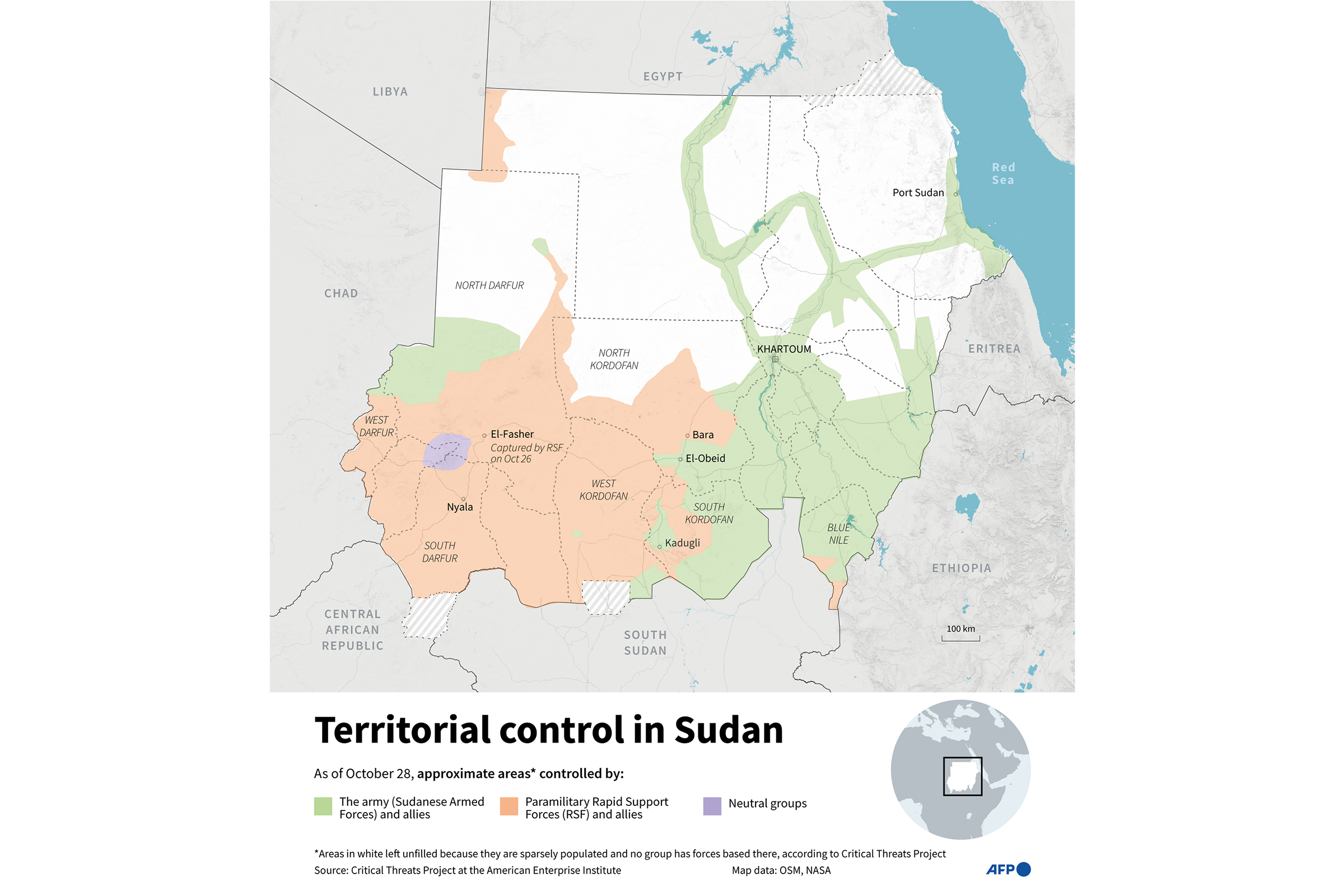
Infographic with a map showing areas controlled by the army, the Rapid Support Forces and neutral groups in Sudan as of October 28, 2025, according to the Critical Threats Project at the American Enterprise Institute. © Julie Pereira, Nalini Lepetit-Chella, Sabrina Blanchard / AFP
El-Fasher Besieged and Starving
We had been waiting for months for the fall of El Fasher, with our reporting highlighting an increasingly desperate situation inside the city which is home to around 400,000 civilians.
Abu Idris Ali was able to file a lengthy dispatch the week before the city fell which detailed how civilians trapped inside earthwork embankments which stretched an extraordinary 68 kilometers had resorted to eating animal skins for survival.
An announcement from the RSF dropped at 2:04 pm on their Telegram channel but it was essential that we had to at least try and get some response from the army. When none was forthcoming, we filed at alert at 2:20pm which was sourced to the RSF, and it soon became clear their claims of victory in one of the fiercest battles of the whole civil war held water as we spoke to escaped residents.
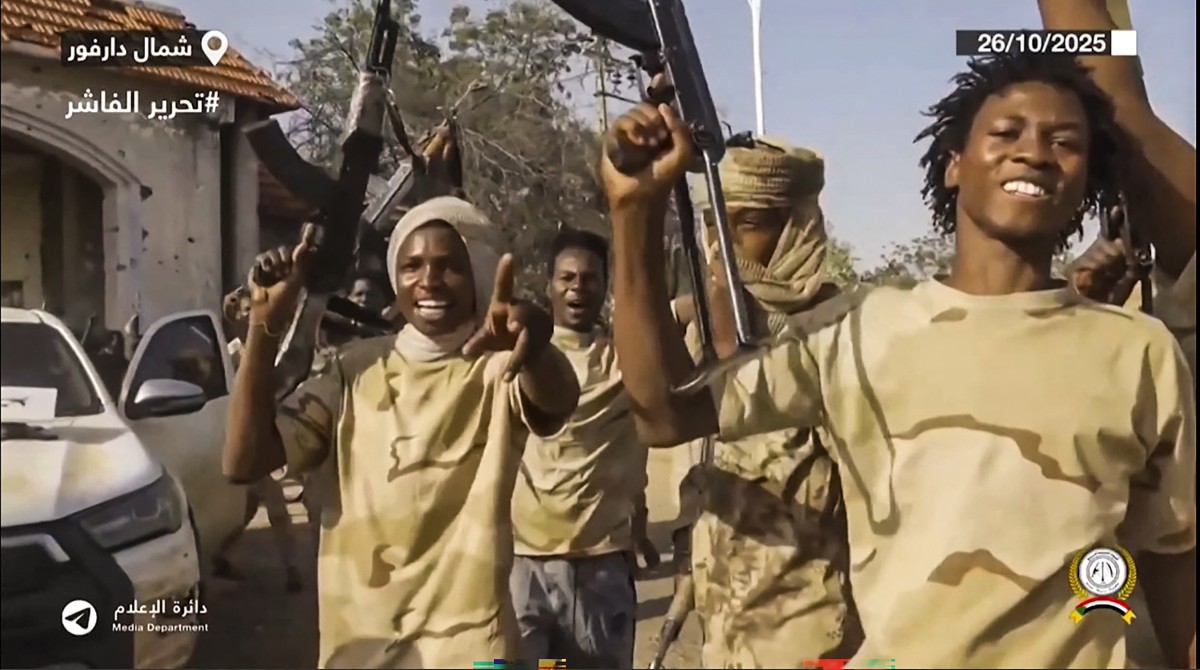
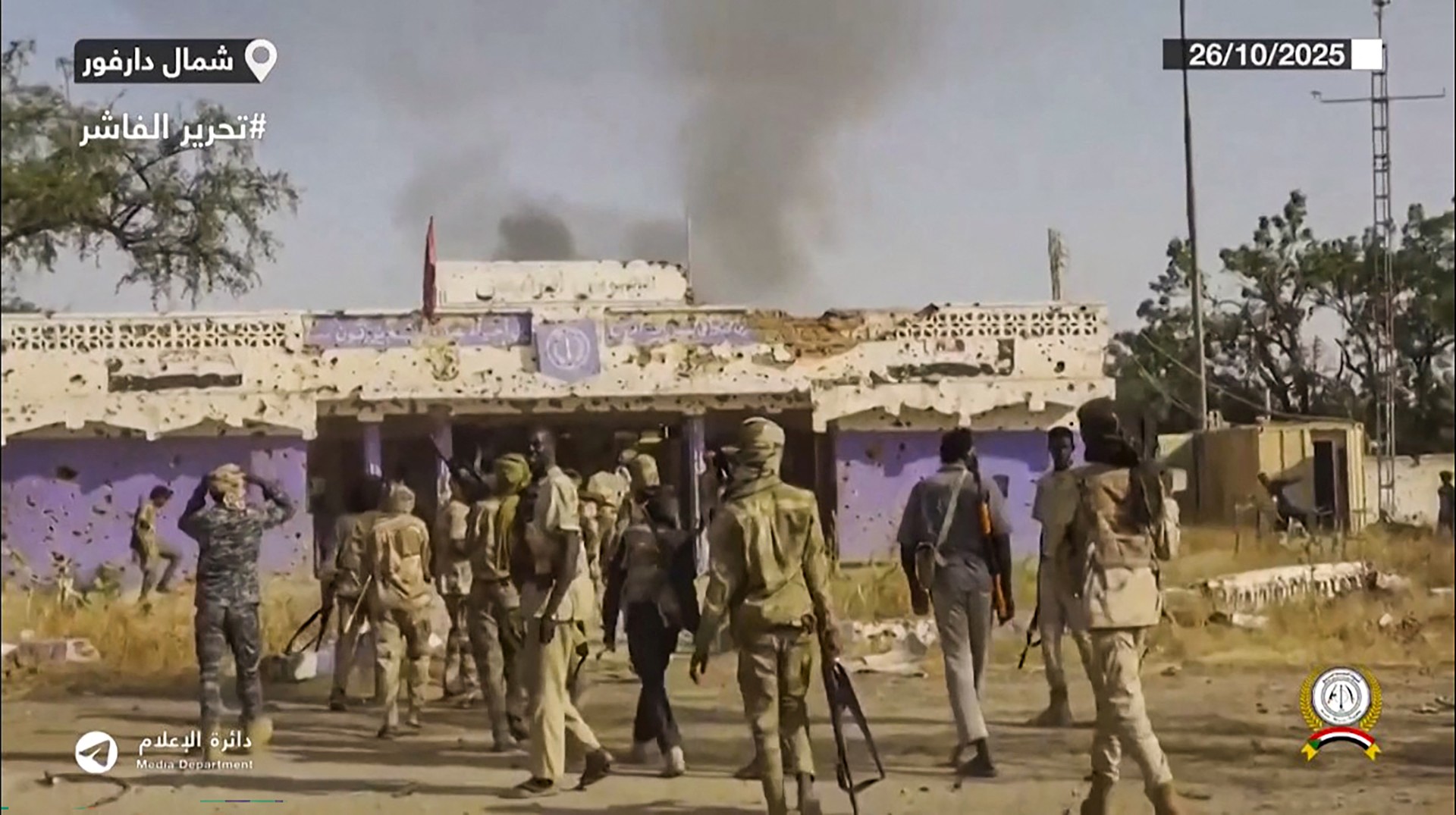
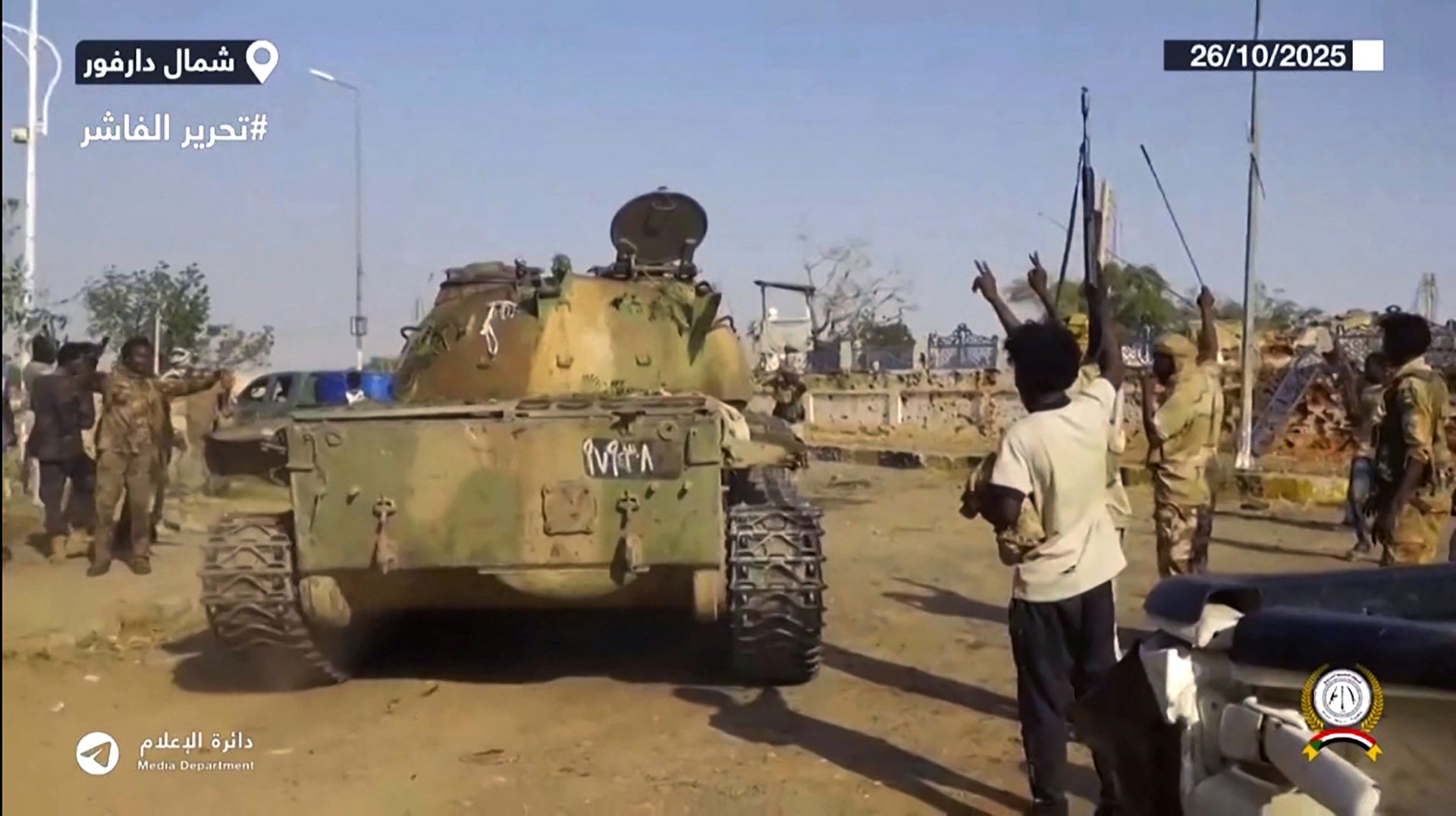
These images grab taken from handout video footage released on Sudan's paramilitary Rapid Support Forces (RSF) Telegram account on October 26, 2025, shows RSF fighters holding weapons and celebrating in the streets of El-Fasher in Sudan's Darfur. The governor of Darfur, allied with the Sudanese army, on October 27, 2025, called for the "protection of civilians" in the famine-stricken city of El-Fasher, after the paramilitary Rapid Support Forces (RSF) claimed to have taken control. © RAPID SUPPORT FORCES (RSF) / AFP
The army chief, Abdel Fattah al-Burhan, finally acknowledged the army’s ‘withdrawal’ in a televised address at the 9pm the following evening but the scale of the horrors inside Fasher only became clear in the following days as we pieced together the testimony from survivors, many of whom were separated from male relatives who they said had been summarily executed. We also analyzed satellite images; cross-checked videos collected on social networks and verified information published by various OSINT platforms that we had identified as credible sources.
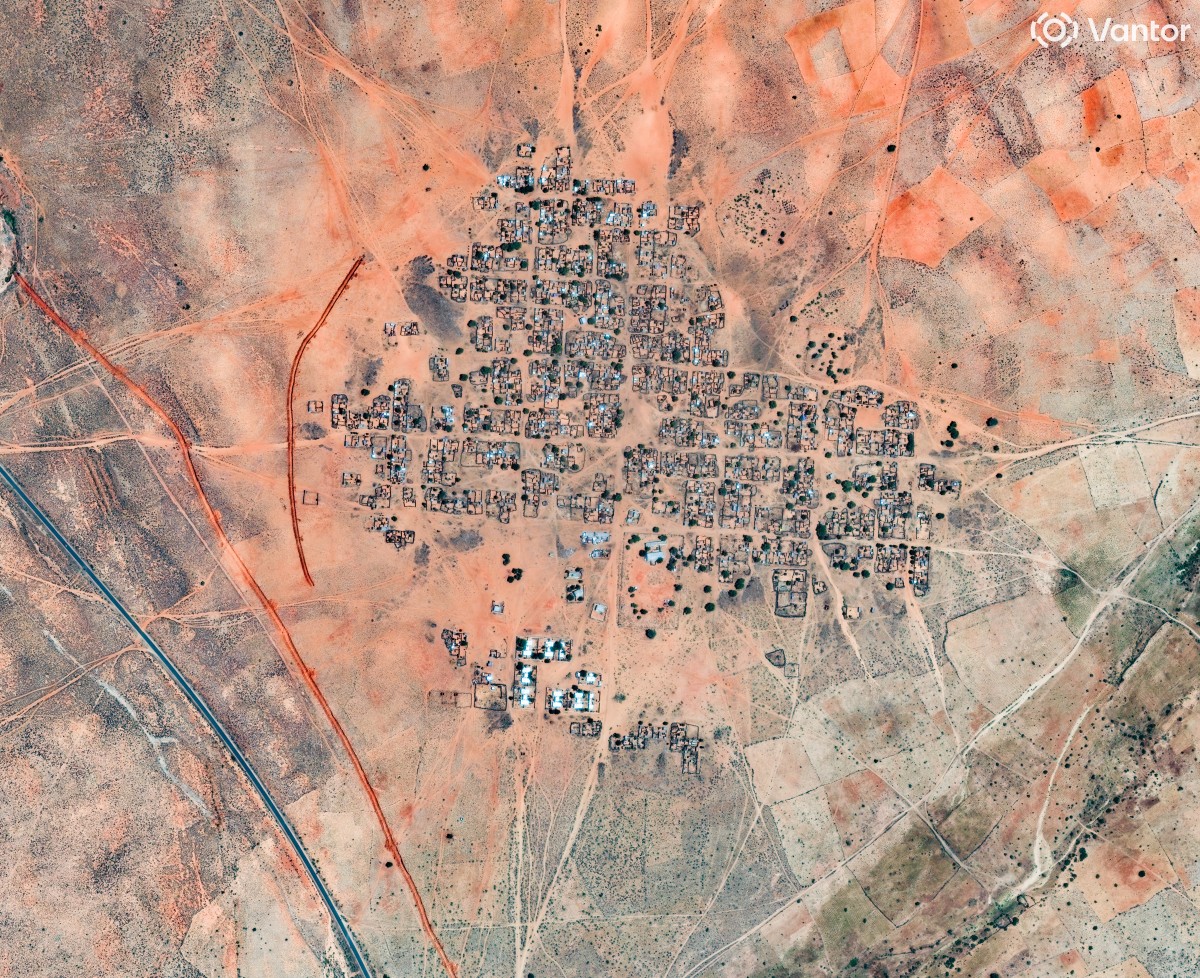
This combination of pictures created on October 31, 2025 shows (L-R) handout satellite images by Vantor taken on October 15, October 25, and October 30, 2025, showing a time series of a berm construction in Kinin Village near El-Fasher. UN officials warned on October 30 that "large-scale atrocities" were underway in Sudan's Kordofan region as paramilitary forces advanced, while residents in El-Fasher, a key city in the neighboring Darfur region, were being subjected to mass "horror." Handout / Satellite Image © 2025 VANTOR / AFP
Reporting at the Risk of One’s Life
Our coverage was also bolstered by the work of our journalists beyond the Middle East, delivering exclusive with datelines ranging from Geneva ("World must act now to halt 'horrific atrocities' in Sudan: UN Rights Commissioner interview to AFP") to Chad which shares a border with Sudan.
We also have stringers in Darfur who try to work under the radar as it is particularly dangerous country for journalists. They managed to get eyewitnesses to speak on camera from the giant refugee town of Tawila, in North Darfur: 'Killed on sight': Sudanese fleeing El-Fasher recall ethnic attacks. And we had pictures of survivors which were widely used by the international media. Our local text, photo and video stringers were also in the first media team authorized to report from Al Dabbah, a refugee camp northwest of Khartoum, 'Like a horror movie': 770 km of fear for those fleeing Sudan's El-Fasher.
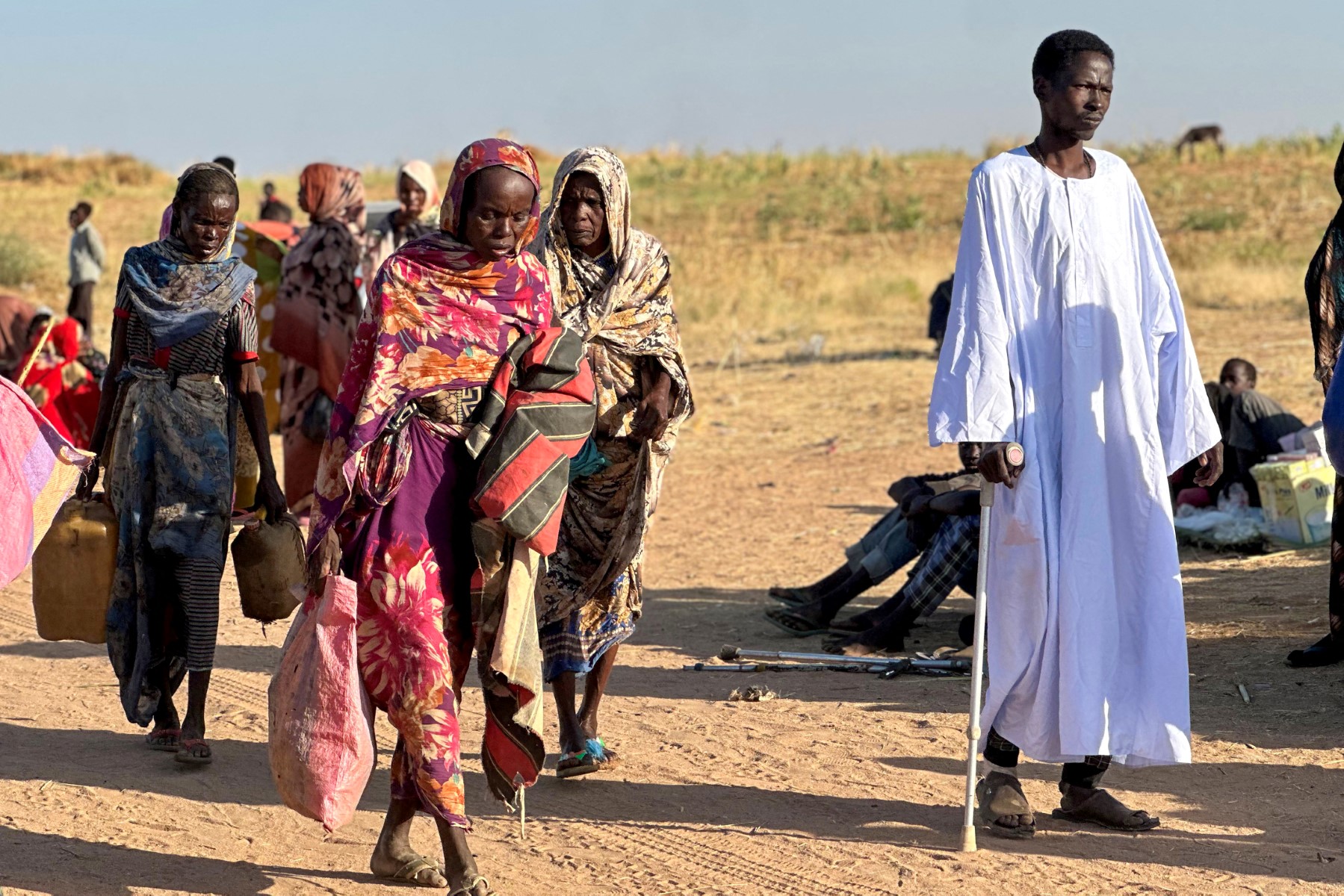
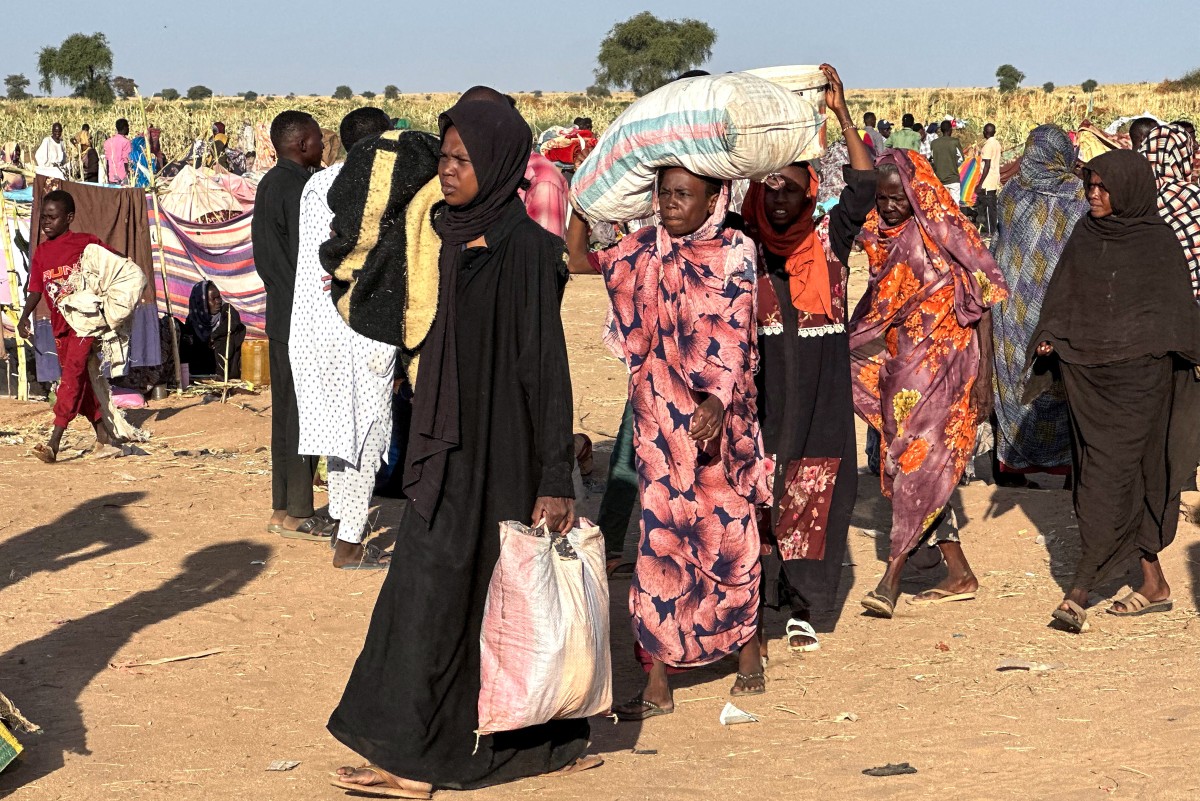
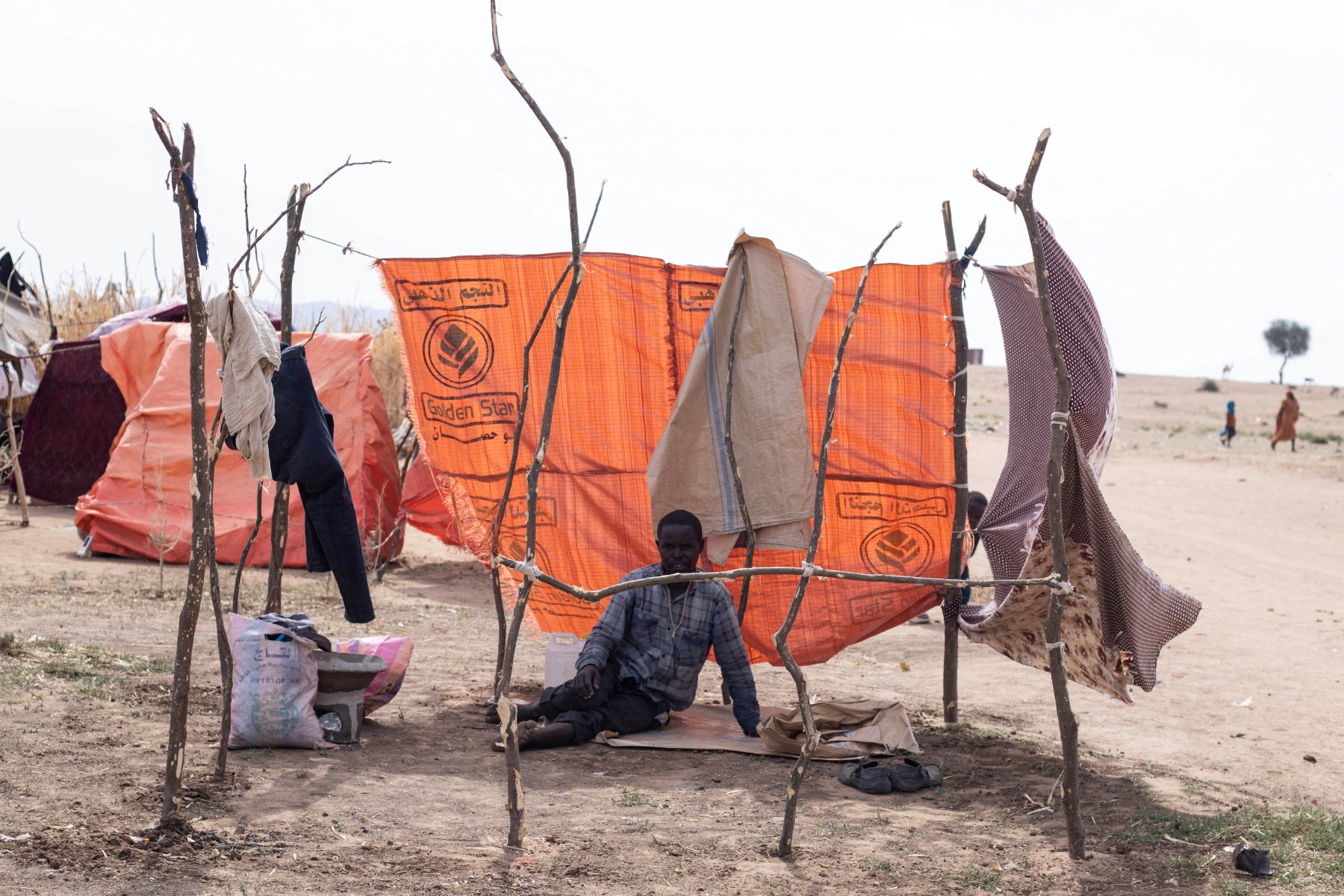
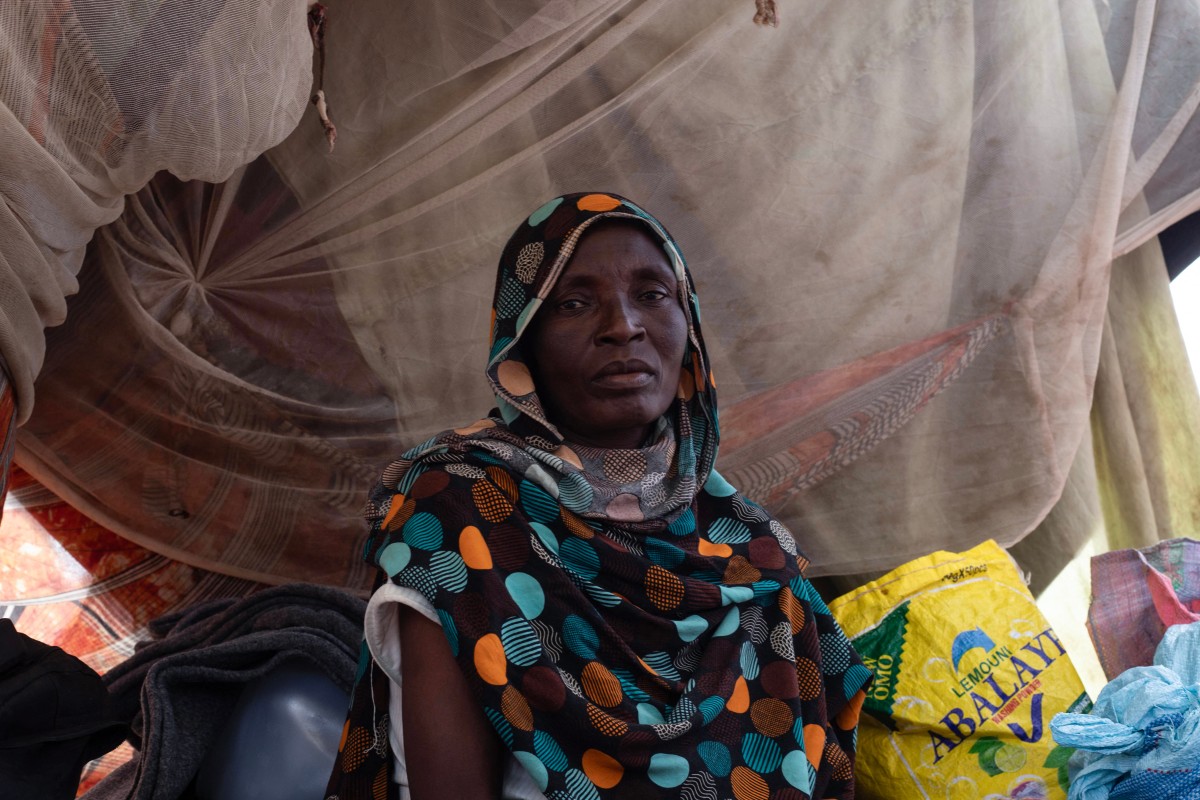
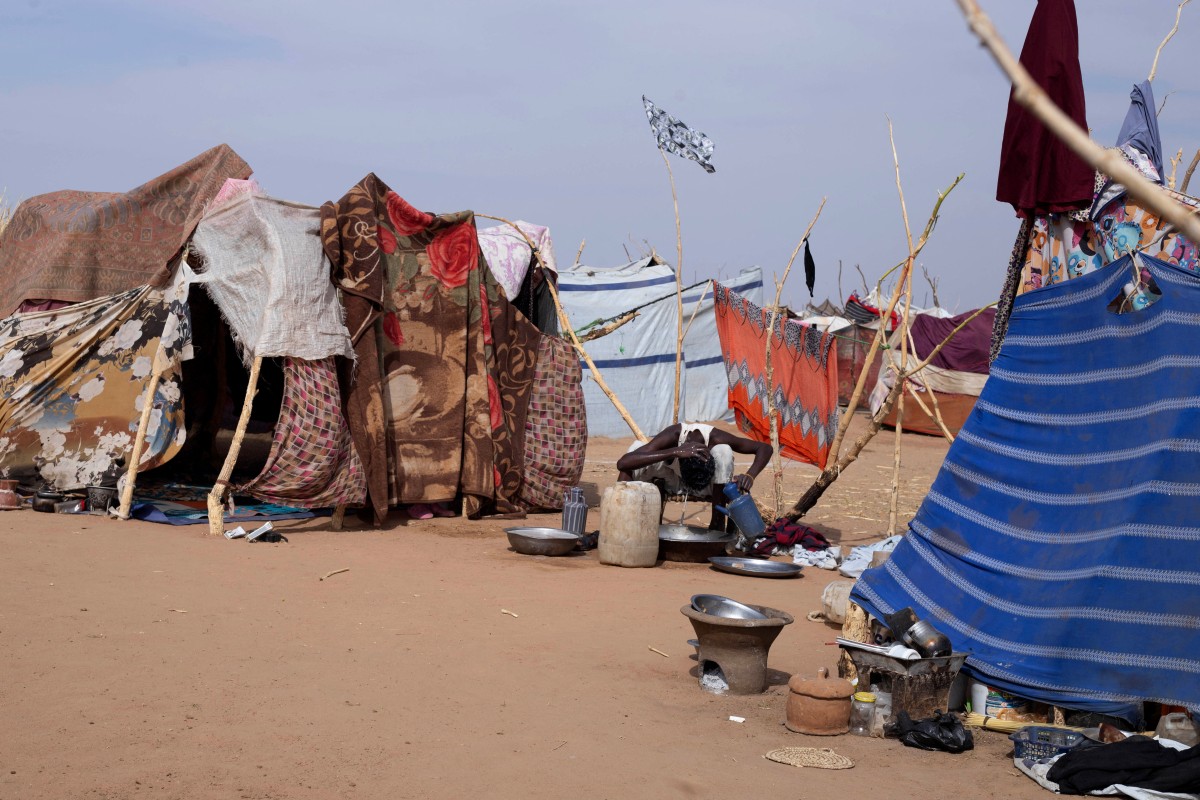
(1) (2) Displaced Sudanese who fled El-Fasher after the city fell to the Rapid Support Forces (RSF), arrive in the town of Tawila in war-torn Sudan’s western Darfur region, on October 28, 2025, and (3) (4) (5) on November 3, 2025. © AFP
Neither the army nor the RSF are well disposed to the media. One of our stringers was detained for 12 days in May by the pro-army intelligence service in Port Sudan, for no particular reason. Sudan is currently ranked 156th out of 180 on the annual Reporters Without Borders (RSF) index on press freedom.
While we rarely write about the newsgathering process given it’s something that the media rather than readers are more interested in, we did file an 800-word backstory on four of the key witnesses to the horrors inside El Fasher who relayed vital information to us from inside a city mostly cut off from communications. They all since been killed.
One of them was Dr Adam Ibrahim Ismail, a young physician who was detained by RSF fighters on October 26 as he tried to flee the city. He was shot dead the following day. Until his last moments, Ismail had been treating "the wounded and the sick" at the Saudi Hospital, El-Fasher's last functioning medical facility, according to the Sudanese Doctors' Union. Abu Idris Ali had spoken to him only days before. "His voice was weary," he recalled. "Every time we ended a call, he said goodbye as if it might be the last time."