“The Forgotten Sahel”: AFP photographers’ work on display at Géopolis until May 31, 2026
From March 26 through May 31, 2026, Géopolis, the photojournalism centre in Brussels, is hosting a new series of exhibitions dedicated to the Sahel.
The work of AFP photographers in the region is in the spotlight for this exhibition. It is shown in the second exhibition room and plunges visitors into current events in four countries in the Sahel where very few journalists are present, given how difficult it is to work there. Through the eyes of its photographers, these images immerse us in the news and recent history of Mauritania, Mali, Niger, and Sudan.
Mali
Since 2020, Mali has experienced a period of political and security upheaval. Anti-government protests over insecurity broke out that year, leading to a military coup in August. That military rebellion was followed by the installation of a transitional government, but tensions between the military and civilian rulers ended in a second coup in May 2021. Mali's military leaders have since struggled to end the Islamist insurgency led by Al-Qaeda affiliate, JNIM. Most recently, jihadists have been attacking tanker convoys, causing economic hardship by disrupting fuel supplies to the capital, Bamako.
The images show the lasting effects of this instability. Military presence in central regions, armed violence, population displacement and persistent tensions shape daily life. They also reflect ongoing shifts, including the withdrawal of French military forces, initial public support for the junta and the reorganisation of political power.
In this context, everyday life continues. Markets, religious practices and cultural activities go on despite security and economic constraints, reflecting a country shaped by multiple dynamics.
Niger
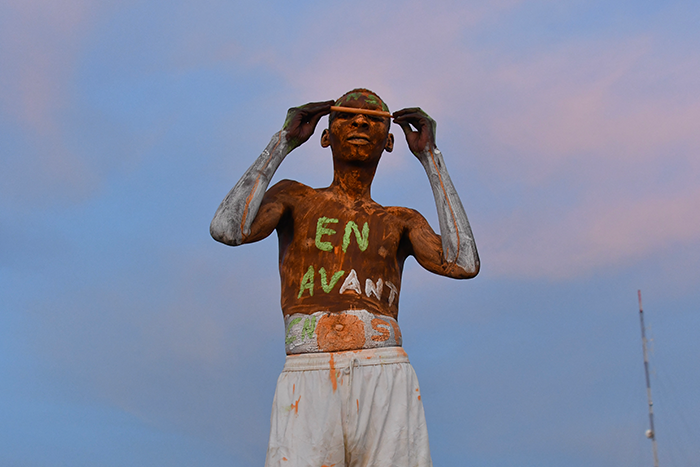
On July 26, 2023, a military coup overthrew President Mohamed Bazoum. In the days that followed, demonstrations in support of the junta spread across Niamey, particularly around diplomatic and military sites. Since then, Niger's western Tillaberi region has become the frontline of the Sahel jihadist conflict, pitting the army against allies of Al-Qaeda and Islamic State.
The images document this political shift and its aftermath. Civilian mobilisation, mass gatherings, regional sanctions and shifting alliances define this period. They also reveal new reference points visible in the symbols and messages carried by demonstrators.
Still, daily life continues. Trade, markets and artisanal work go on despite the crisis, including high inflation and supply constraints. Other scenes highlight regional dynamics, such as the revival of migration routes in Agadez and the withdrawal of foreign forces from the country.
Sudan
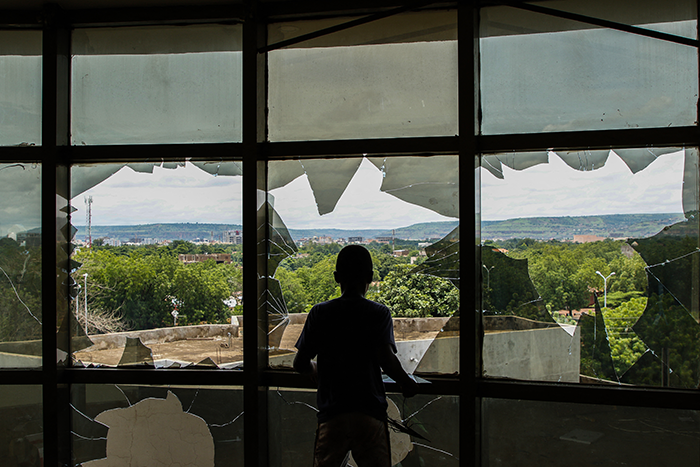
Since 2021, Sudan has struggled with growing political instability that has exploded into civil war. Initial protests against military rule were violently repressed, leaving several people dead and injured in Khartoum.
In April 2023, fighting between the army and the Rapid Support Forces plunged the country into conflict. The images show extensive destruction, particularly in the capital, as well as the impact on civilian infrastructure, including health facilities and cultural sites.
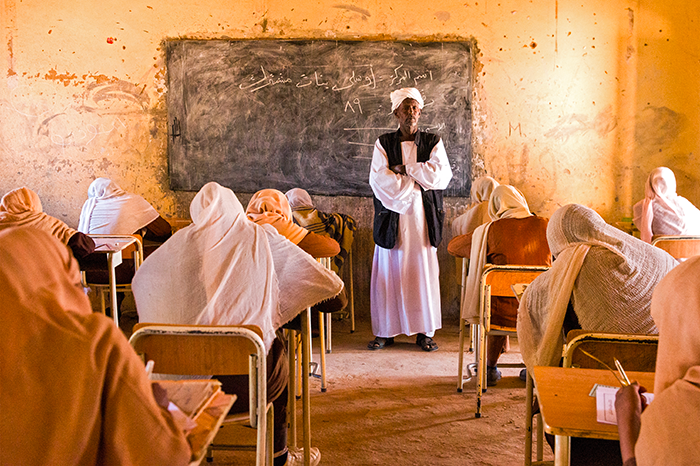
The conflict between Sudan's army and the RSF has killed tens of thousands and forced 11 million people to flee their homes. It has triggered what the UN calls one of the world's worst humanitarian crises. Other elements such as flooding have compounded the crisis. Despite this, some activities continue, including education and demining operations, as residents return to homes in damaged areas.
Mauritania
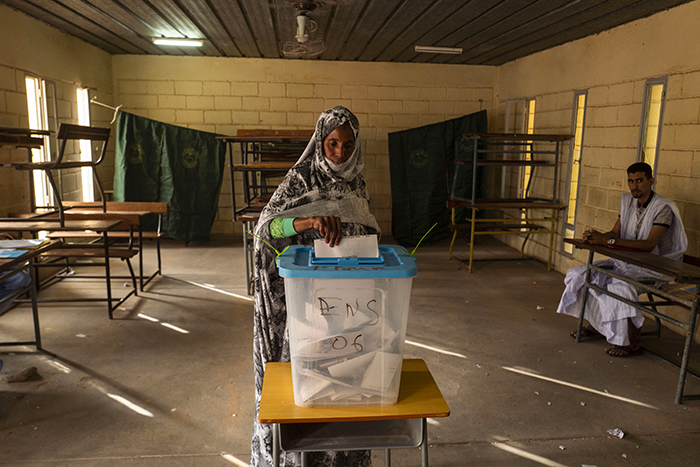
In 2024, the presidential election stands out as the main political moment of the period in Mauritania. Campaign rallies, public speeches and voter participation are shown in this sequence, visible across several cities.
This election unfolds within a broader landscape also reflected in the images. In Nouakchott and across the country, economic activities, markets, social practices and movement through desert regions illustrate Mauritanian life. Historic towns, family libraries and nomadic lifestyles point to the country’s long-standing cultural foundations.
Other scenes highlight contemporary issues such as security, migration and developments linked to infrastructure projects. Together, they present a country seen both through a specific political moment and through everyday life.