


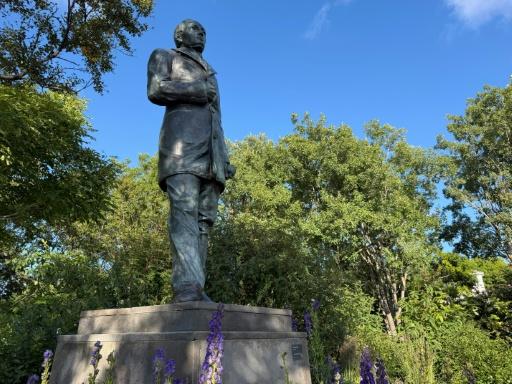
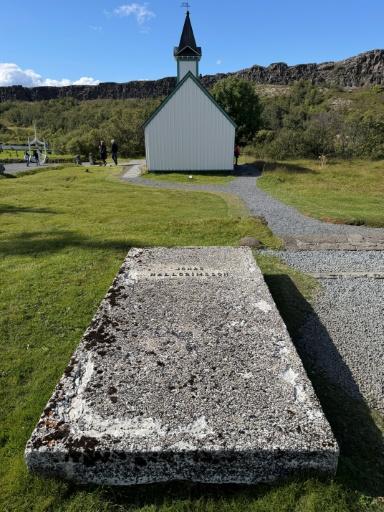
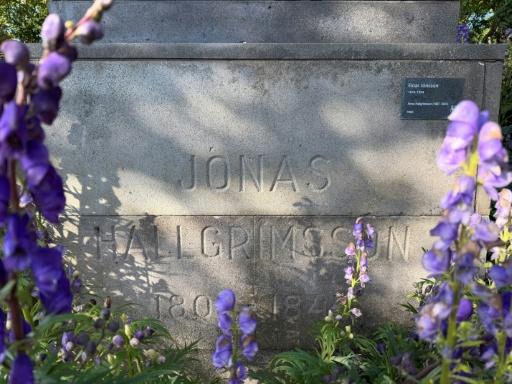
In a small enclosure of lava stones in a grassy field, a modest tombstone bears the name of an Icelandic legend: Jonas Hallgrimsson. But are the bones beneath it really those of the poet, or a Danish grocer?
Hallgrimsson is an icon in his country: a beloved poet and naturalist, the craftsman behind the renewal of the Icelandic language, and one of the founders of Icelandic national romanticism.
He died in 1845, nearly a century before the country finally gained independence from Denmark.
"He has become a part of the Icelandic soul and still is," native enthusiast Kari Stefansson told AFP.
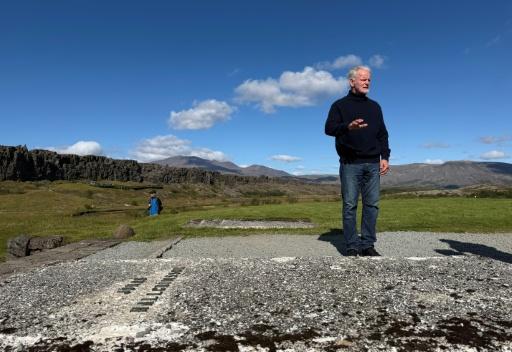
Standing near the austere, lichen-speckled tombstone, the geneticist and eccentric dandy, 77, is a keen reader of Hallgrimsson and can recite his verses from memory.
"What separates art from everything else in the world is the ability to appeal to your emotions. And he appealed to my emotions, and Icelanders in general, extremely strongly," he said.
Despite this fervour, Stefansson and other enthusiasts are haunted by doubt about the grave due to historic uncertainty surrounding Hallgrimson's burial.
They are calling for it to be opened to make sure the remains really belong to Hallgrimsson. A formal request has been submitted to authorities.
When Hallgrimsson died in Copenhagen after falling down a staircase, his remains were placed in a grave in the Danish capital where other bodies -- three, four or five, depending on the source -- were also buried.
In 1946, amid the patriotic fervour that followed the proclamation of the Icelandic republic two years earlier, the bones were repatriated to the North Atlantic island.
"This whole case is somehow a repetition of Iceland becoming independent from Denmark," said Jon Karl Helgason, a former University of Iceland lecturer and specialist in "the case of the bones".
Independence was about "power coming home" and "in some sense, it was a repetition to get the bones of the national poet home."
But time had taken its toll. After a century underground, the remains were in poor condition.
"There was a grocer, a businessman, his wife, child, and everything got mixed up over the years," recalled Pall Valsson, author of a biography of Hallgrimsson.
"And we don't have a skull. We don't have legs."
To be absolutely certain, some have called for DNA tests to be done. But Icelandic authorities say they cannot authorise the opening of the grave without a court ruling.
"My understanding is that it is wrapped up in tremendous bureaucracy," lamented Stefansson.
"Now this is in the hands of all kinds of committees and lawyers. So my guess is that it's going to take some time."
Lecturer Helgason believes, citing a 1946 photograph of the grave's contents as evidence, that the tale of the mixed-up bones is nothing but a "nasty rumour".
He is nonetheless happy for the debate to continue.
"It keeps the matter alive. It keeps the corpse living."
While the controversy drags on, the remains lie a stone's throw from a small church in the enchanting setting of Thingvellir.
With rifts and fractures criss-crossing the land -- scars left by the separation of the North American and Eurasian tectonic plates -- the UNESCO World Heritage site is the original site of the Althing, considered the world's oldest still-functioning parliament, founded in 930.
The poet's supposed final resting place is surprisingly nondescript.
According to the church warden, the graveyard serves as a landing pad for helicopters during VIP visits.
One family, unaware that it was a gravestone, was even caught picnicking on the slab, she said.
"Many Icelanders don't want this mystery to be solved," said biographer Valsson.
"Because we love mysteries, we don't want to solve them."
And what if it were solved?
"I think that we should simply lift our hat and bow and apologise to Jonas for the interruption of his peaceful rest, and then fill the hole and go home," Stefansson said.
Latest stories
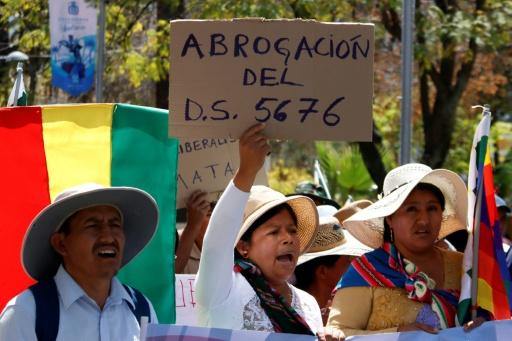
Jornal Apoiadores de Morales protestam na Bolívia contra aumento do diesel
Centenas de cultivadores de coca e apoiadores do ex-presidente Evo Morales saíram em passeata nesta sexta-feira (4) na Bolívia contra um decreto do governo atual...
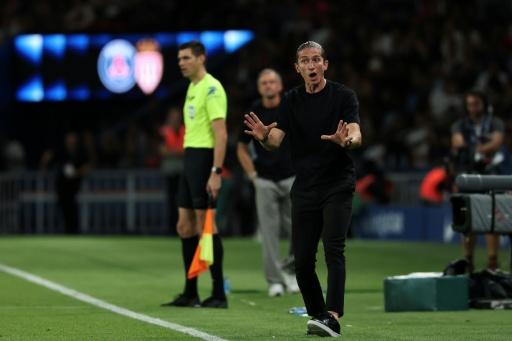
Jornal Monaco de Filipe Luís vence PSG de virada e segue líder 100% no Francês
O Monaco se manteve como único time com 100% de aproveitamento e na liderança isolada do Campeonato Francês ao vencer de virada o Paris Saint-Germain por 2 a 1 nesta...

Jornal Liverpool vence Ipswich e conquista 1ª vitória no Inglês
O Liverpool conseguiu sua primeira vitória na temporada ao bater o Ipswich Town por 2 a 0 nesta sexta-feira (4), na abertura da...