

Environmental Policy
AFP places environmental issues at the heart of its development through concrete actions already under way, a decarbonisation approach and strengthened editorial coverage.
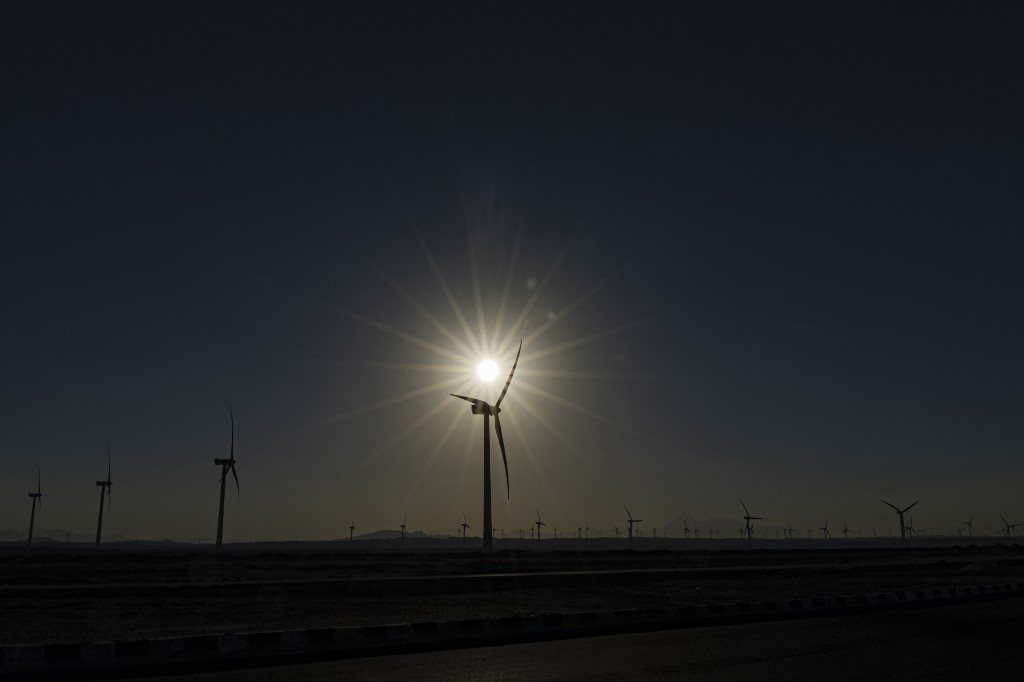
To play an active role in the ecological transition and meet the expectations of society and its partners, AFP has been implementing a range of mesures for several years around three main areas:
Control of our energy consumption: a 45% reduction at headquarters between 2009 and 2023 thanks to lower energy use and the modernisation of the building and its equipment.
Adoption of responsible practices: reducing printing, waste sorting, equipment recycling, and the gradual removal of disposable cups.
Development of sustainable mobility: bicycle facilities, electric charging points, a sustainable mobility allowance and the gradual electrification of the vehicle fleet.
AFP is now taking a new step by formalising a decarbonisation strategy structured around an action plan.
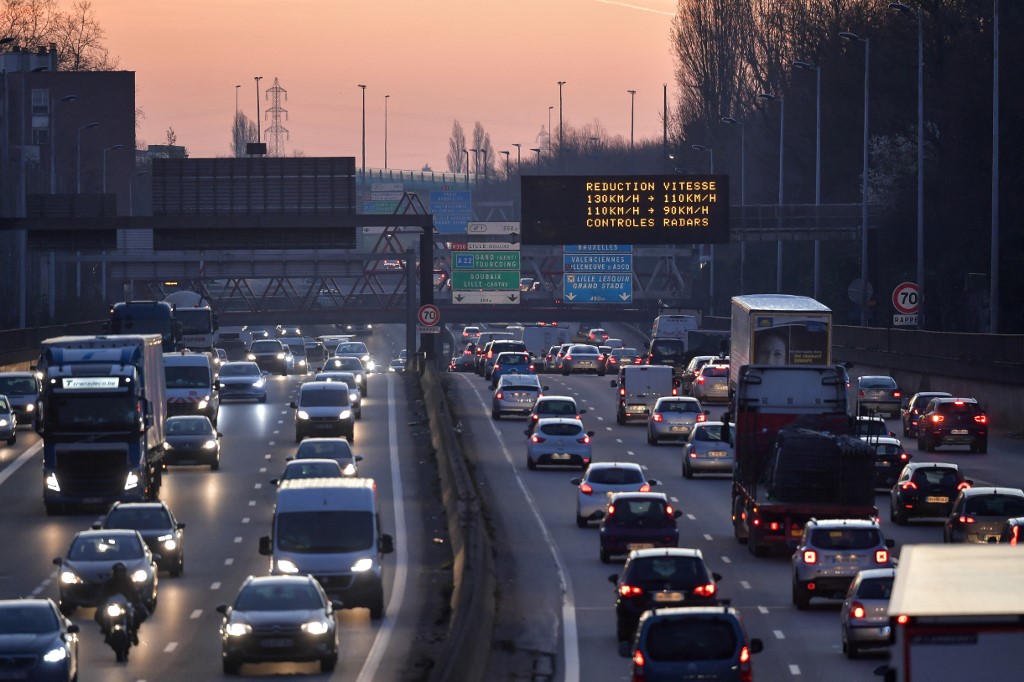
Results of the carbon footprint assessment (2022)
- 85% of emissions come from scope 3.
- 38% are linked to travel, in particular air travel.
- 16% are due to energy use (heating/air conditioning).
- 22% are linked to digital use.
Decarbonisation: seven priority areas for action
- Raising awareness and training: rolling out climate training for all staff.
- Engaging our main suppliers in trajectories aligned with the Paris Agreement.
- Promoting sustainable food: ensuring that a vegetarian option is systematically available to staff in the staff restaurant.
- Reducing the impact of travel: reducing flights by 10% by 2030 and prioritising alternative solutions, and increasing the share of travel by electric vehicles.
- Optimising energy consumption across all our offices
- better adjusting temperature settings (heating/air conditioning) to reduce electricity use
- increasing the share of renewable energy in our consumption - Reducing energy consumption at headquarters: limiting heating and air conditioning outside working days.
- Acting on digital activity:
- promoting a single workstation and limiting the number of screens
- extending the lifespan of our IT, video, and photo equipment
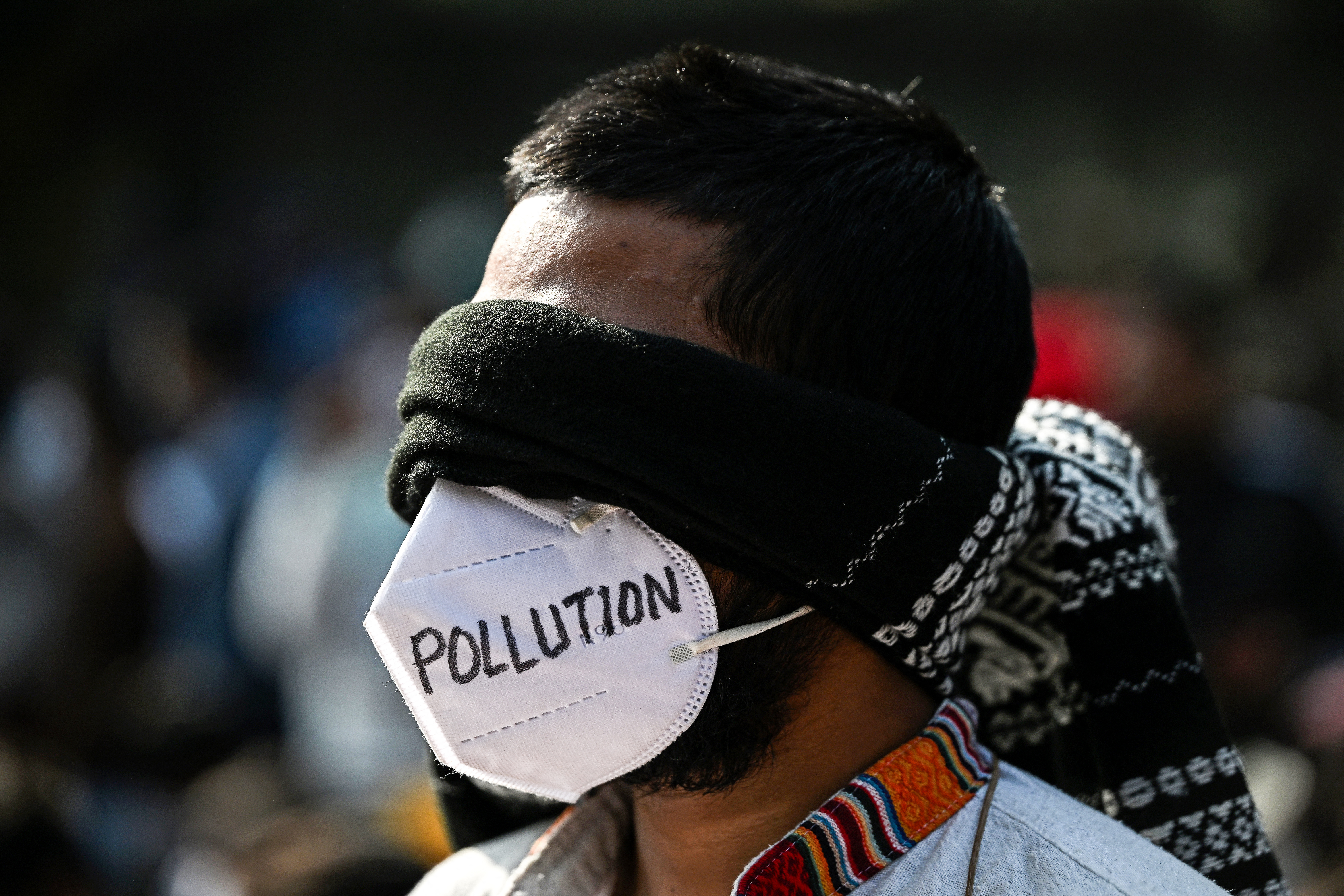
- More than 500 employees have already completed the Climate Fresk training.
- Creation of a network of climate ambassadors at headquarters, in the regions and internationally.
Raising staff awareness of everyday eco-friendly actions.
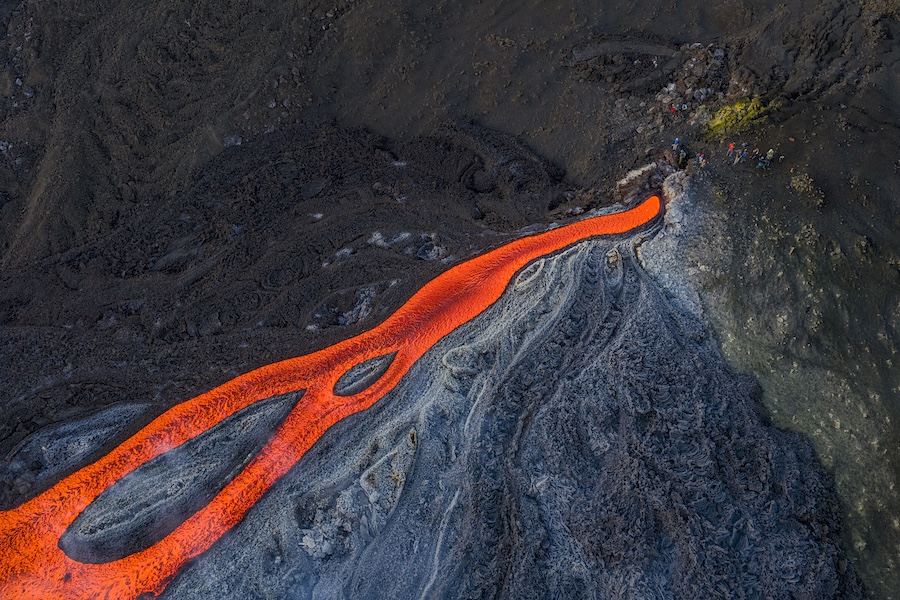
AFP is not only reducing its own footprint: it also places the ecological transition at the heart of its journalistic mission.
Creation of the Planet desk (2022) dedicated to climate and environmental issues, strengthened by specialist positions.
Appointment of an editor-in-chief for the “Future of the Planet” to coordinate and anticipate global coverage.
Strengthening the fight against climate disinformation through digital investigation.
Deployment of specific training for journalists (climate change, greenwashing).
Every day, thanks to its global network, AFP covers climate issues: major international events, on-the-ground investigations, explanatory reporting and impact stories.