
A month ahead of French municipal elections, AFP is harnessing its regional bureaus to cover local battles and those of national importance. The March 15 and 22 polls are the final dress rehearsal before the 2027 presidential race. The far-right Rassemblement National (RN) is targeting several major cities in the south, while the Socialists and Greens are defending their strongholds. Hervé Rouach, head of AFP’s Politics desk at its Paris headquarters, and Stéphane Orjollet, Marseille bureau chief, take a look at what is at stake in these elections, and the agency’s coverage plans.
Coverage throughout the campaign and on election night
AFP kicked off coverage of the municipal elections in late 2025, starting with weekly updates then shifting to daily reporting as the campaign gathered pace. Journalists have been exploring the major issues shaping local debates — security, housing, access to public services — as well as party strategies and ambitions. The Agency is also focusing on what it means to be a mayor today amid budgetary constraints, citizen expectations and political pressure. We have zeroed in on the most eye-catching contests, in major cities such as Paris, Lyon, Marseille, Strasbourg and Grenoble, as well as national political figures involved in the race, whether as candidates or active supporters. In the final month of the campaign, AFP will also publish a series of short reportages and colourful stories to capture the atmosphere on the ground.
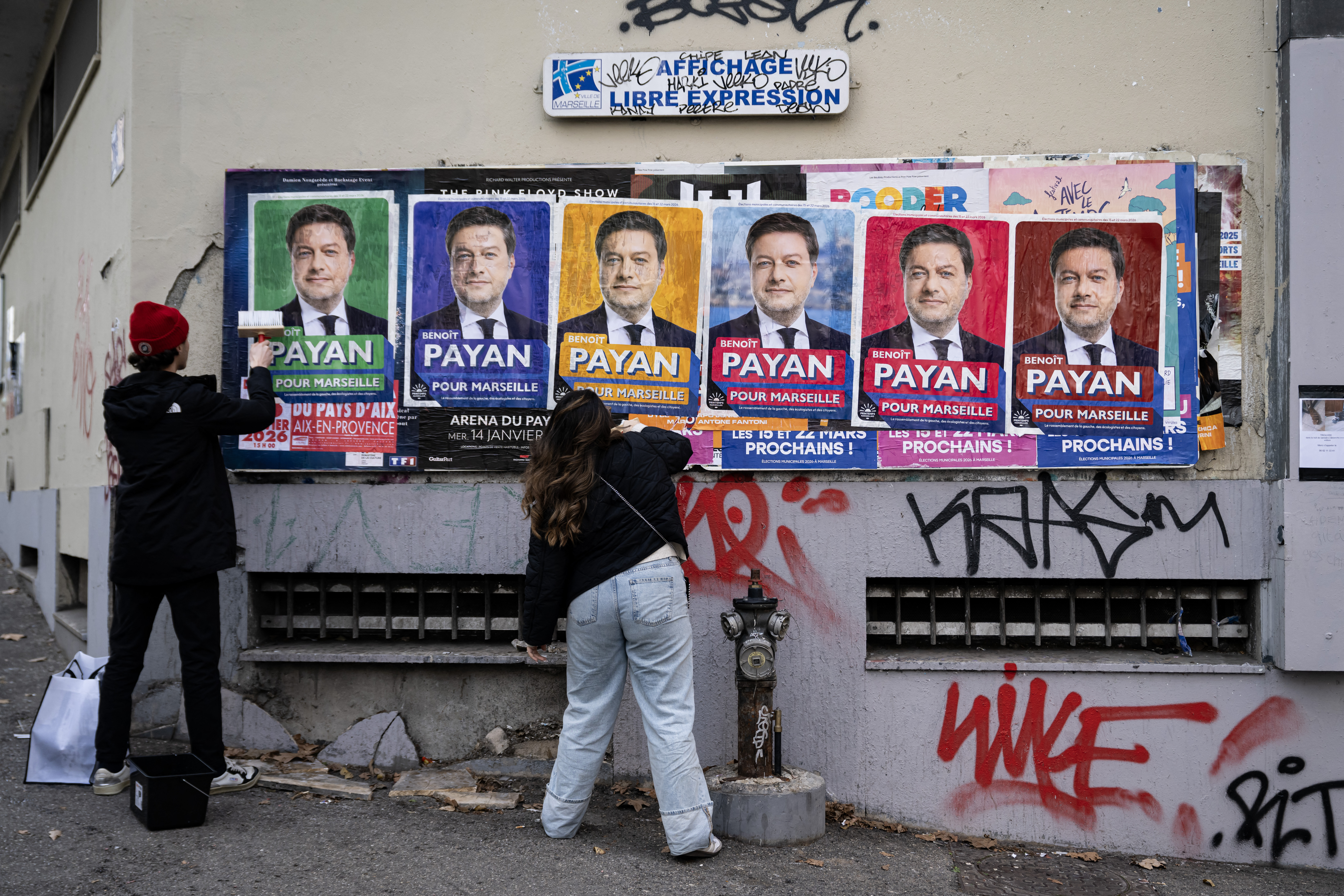
Militants placard electoral posters of Marseille's incumbent Mayor and candidate for re-election in France's upcoming municipal elections Benoit Payan in downtown Marseille on January 20, 2026. © Miguel Medina / AFP
On March 15 and 22, AFP will mobilise all of its teams in Paris and across its regional bureaus to deliver results and analysis as quickly as possible. Several dozen key battlegrounds will be closely monitored nationwide, whether they are tight races, cities with high political stakes or contests involving national figures. From Sunday evening, the agency will analyse national trends emerging from each round, while also publishing more than 350 raw and complete results as released by the Interior Ministry. Between the two rounds and after the final vote, coverage will continue with analysis and reporting looking ahead to what comes next, in a package enriched by photography, video, data and fact-checking, as well as a series of reports devoted to the main battlegrounds both in mainland France and overseas.
“Everyone is already shifting towards 2027”: three questions for Hervé Rouach
Why are these polls are a dress rehearsal for the big presidential showdown in 2027?
One year before the presidential election, these municipal polls are the last opportunity for parties to gauge their popularity and test certain national issues locally. All national leaders know it: the day after the second round, everyone will already be shifting onto the 2027 campaign. There is huge uncertainty over who will make it to the end of the race, and the stakes for the Rassemblement National, which has never seemed so close to victory, are massive.
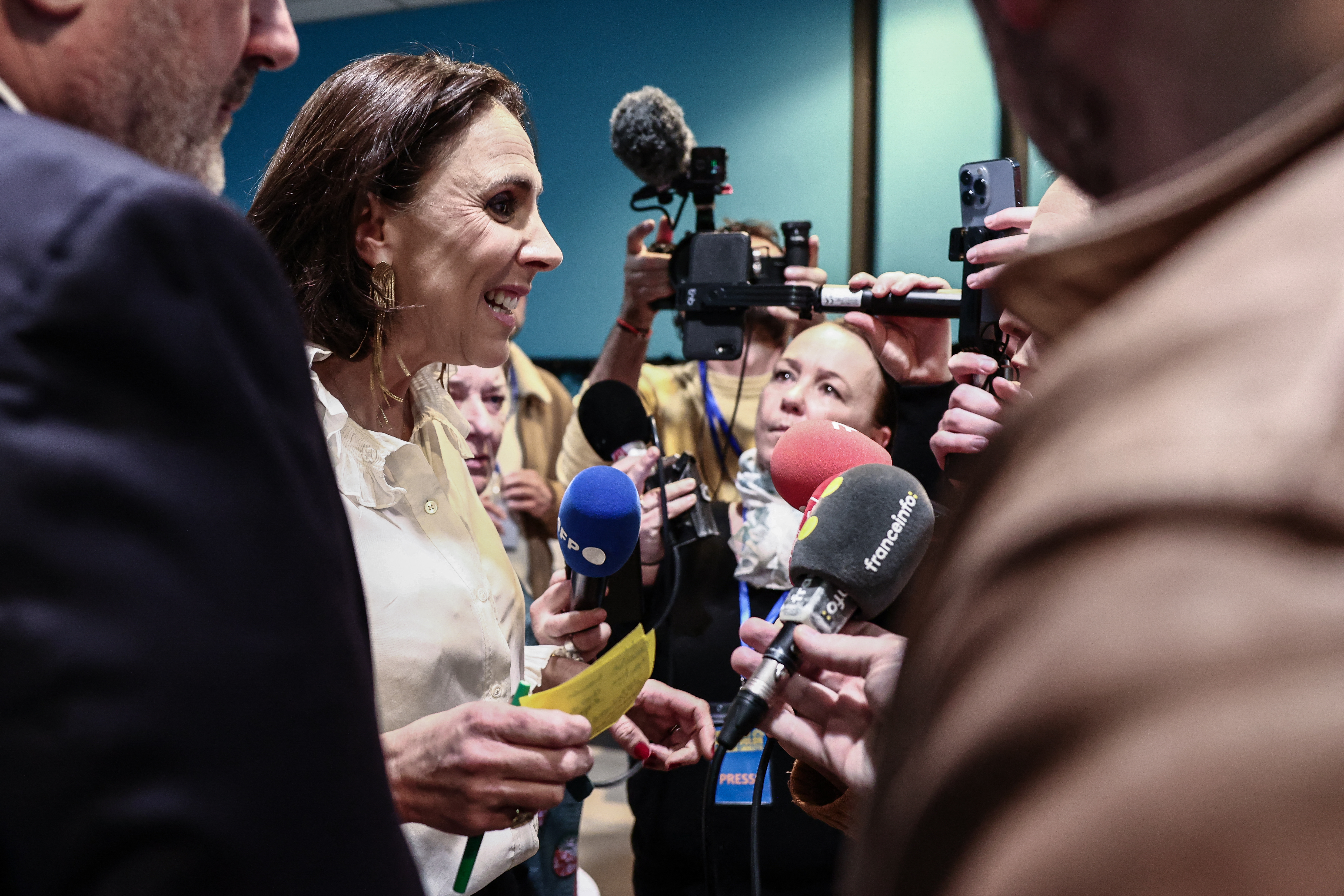
Rassemblement National's MP and candidate to the Toulon's municipal elections Laure Lavalette during her first meeting, in Toulon southeastern France, on January 14, 2026 ahead of the 2026 municipal elections. © Thibaud Moritz / AFP
Are these elections a key moment for AFP’s political coverage?
AFP’s major asset is its regional network. In an election where local and national issues are intertwined, the agency’s seven regional bureaus (in Lille, Rennes, Bordeaux, Toulouse, Marseille, Lyon and Strasbourg), along with its strong presence in the Paris suburbs, will play a crucial role in covering the campaign and the election.
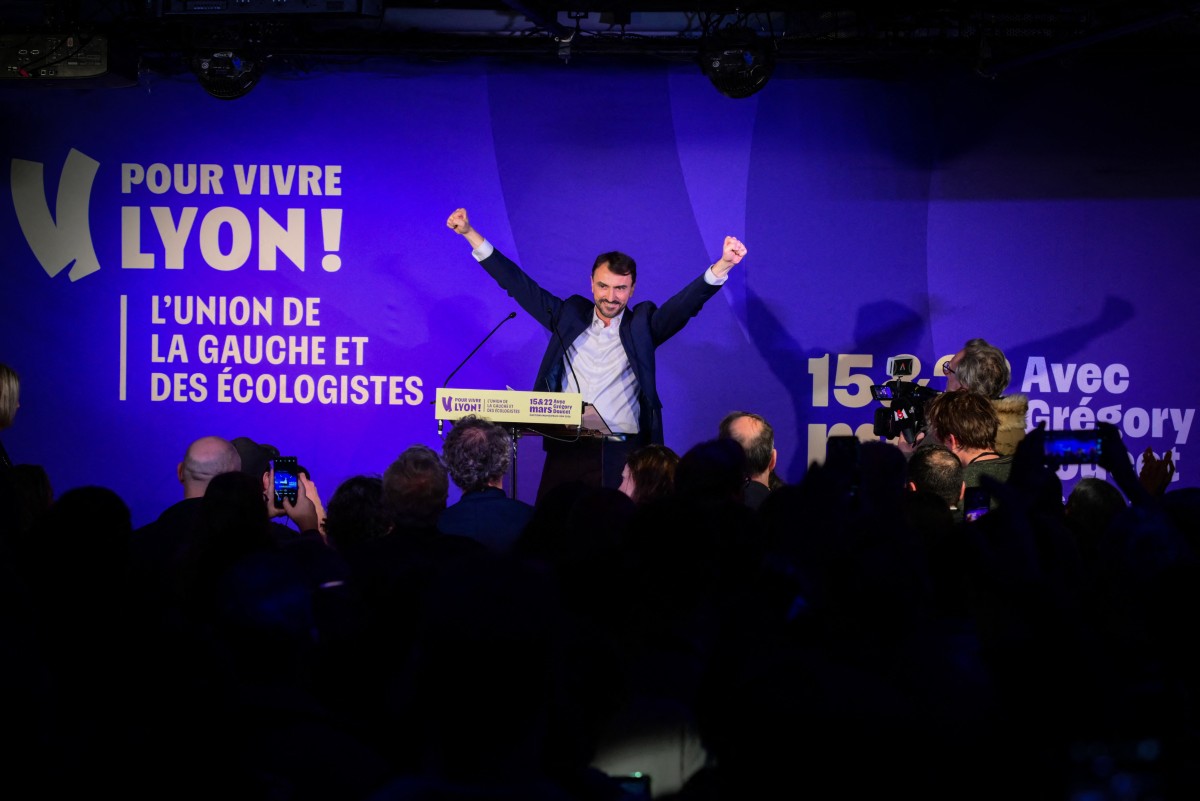
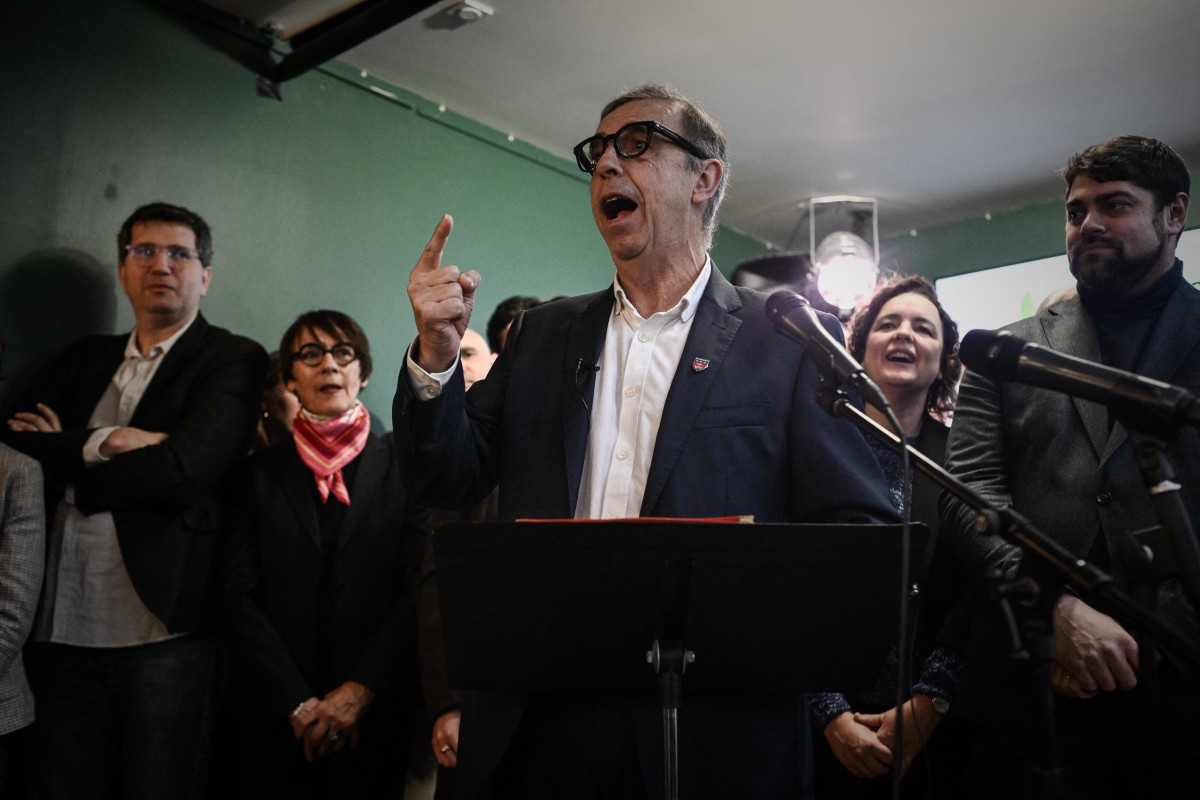
(1) Mayor of Lyon Gregory Doucet during his campaign to be re-elected, ahead of the 2026 municipal elections in Lyon, eastern France on January 17, 2026. © Olivier Chassignole / AFP
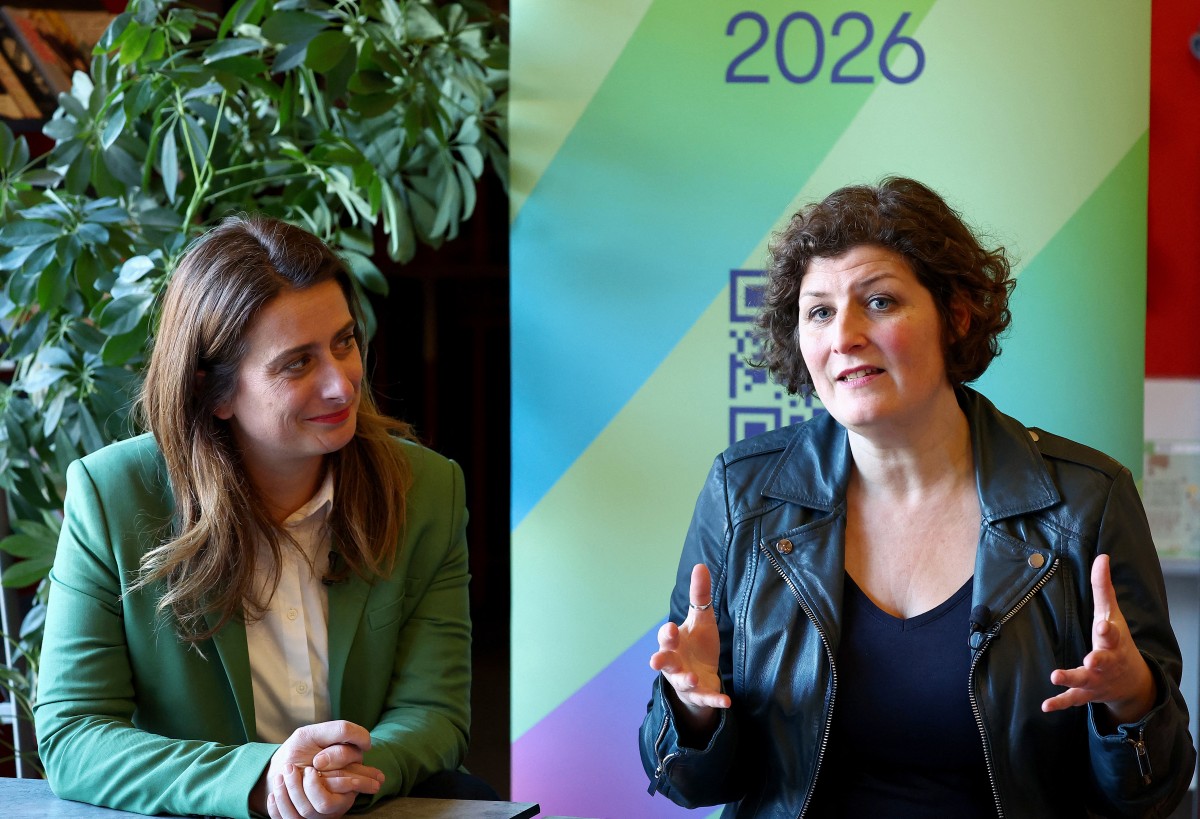
(2) National secretary of French Les Ecologistes (EELV) green party Marine Tondelier (L) and Strasbourg's Mayor candidate for reelection Jeanne Barseghian, give a press conference to address the 2026 municipal elections, in Strasbourg. © Frédérick Florin / AFP
(3) Les Ecologistes Mayor of Bordeaux Pierre Hurmic (C) during a press conference to launch his campaign for the 2026 municipal elections in Bordeaux, on January 9, 2026. Hurmic, who has led the city since 2020, is seeking re-election in the March 2026 municipal vote, as Renaissance party candidate leads a centre-right alliance seeking to unseat ecologist mayor Pierre Hurmic. © Philippe Lopez / AFP
Via text, photo and video, AFP will paint as complete a picture as possible of local dynamics and the repercussions of these elections for the major parties. With its graphics coverage, AFP will show the balance of power emerging from the vote, both nationally and in the main cities.
Are there particular issues or parties that deserve close attention in these elections?
We will of course be looking for lessons for what comes next. Will the Rassemblement National, which leads in presidential polls, break through at municipal level? Its two leaders, Jordan Bardella and Marine Le Pen (who is simultaneously facing an appeal trial), are expected to be highly visible on the campaign trail, hoping to capture cities. The challenge is not very different for France Unbowed, which is also seeking to build a local base. For the Socialist Party, the task will be to hold on to its many strongholds, while the Greens will try to retain city halls they won six years ago. Several national figures are facing high stakes, such as Communist leader Fabien Roussel in Saint-Amand-les-Eaux, or Édouard Philippe, who would struggle to maintain his presidential ambitions if he were to lose the mayoralty of Le Havre.
AFP’s major asset is its regional network. In an election where local and national issues are intertwined, the agency’s seven regional bureaus will play a crucial role.
Southern France: a key testing ground for the balance of power
The area covered by AFP’s Marseille bureau highlights many of the issues at stake in the upcoming municipal elections. It is a region where the far right has historically been strong and where it won its first major mayoralties in the 1990s, before losing them all. In March, the RN hopes to capture several large metropolitan areas there. Its best chance appears to be in Toulon, the major military port in the Var, where AFP journalists have long been following the contest between Laure Lavalette, one of the RN’s rising stars, and a right wing struggling to overcome its divisions after the outgoing mayor, who had joined the presidential majority, was declared ineligible to run.
We are also closely following the battle for Marseille. The shift to the left in France’s second-largest city was one of the shocks of the 2020 municipal elections. The far right, which is running almost level with the incumbent mayor in opinion polls, is now openly hoping to seize the city, as illustrated by Marine Le Pen’s visit to support a relatively little-known candidate, a former member of the Republicans, who is focusing his campaign on lack of security.
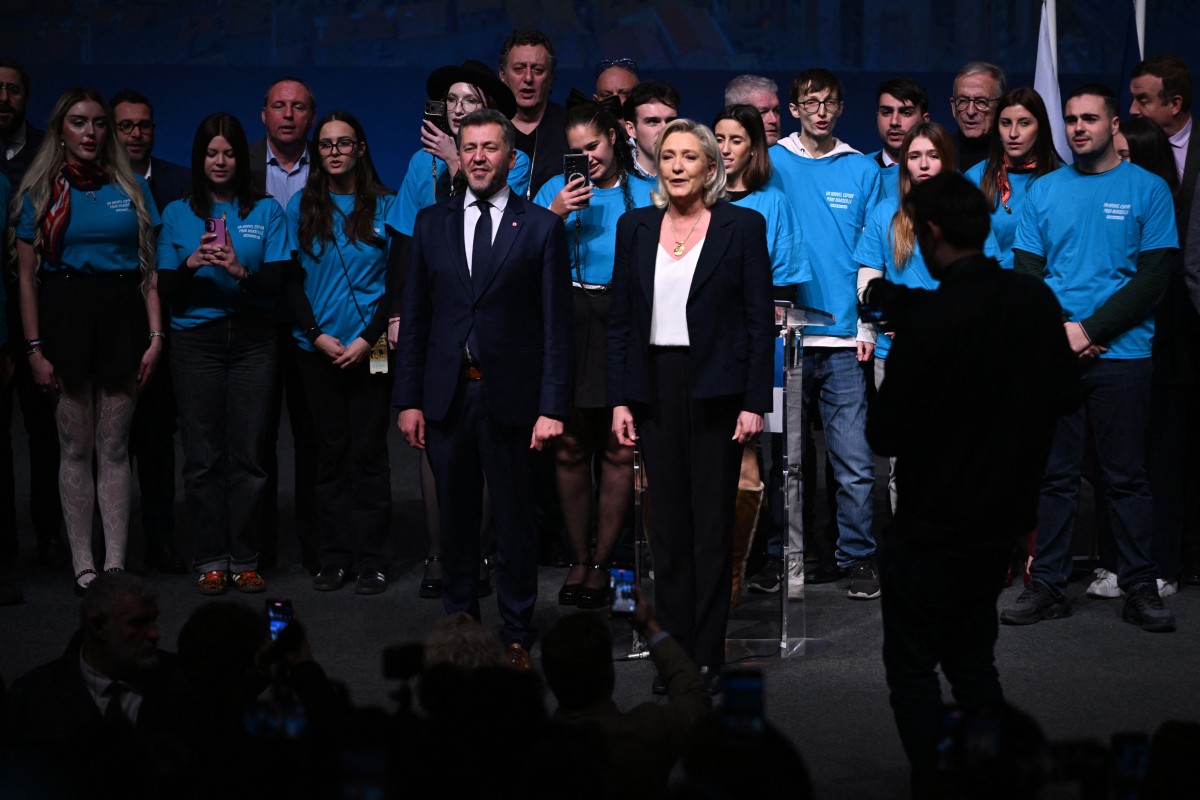
President of the parliamentary group of the French far-right Rassemblement National (RN) party, Marine Le Pen (C-R) and French Rassemblement National (RN) party's candidate for the mayor of Marseille Franck Allisio (C-L) sing the La Marseillaise national anthem during latter's campaign in Marseille, on January 16, 2026. © Miguel Medina / AFP
Following Éric Ciotti’s rallying to the RN, we will also be closely watching moves towards a “union of the right”, notably in the Alpes-Maritimes, where the battle for Nice is shaping up to be fierce and where Louis Sarkozy, son of the former president, is running in Menton. On the left, the Socialist mayor of Montpellier appears to be in a strong position, while in Avignon, where the outgoing Socialist mayor is not standing again, the situation is far more delicately poised.
Beyond these hotspots, covering a municipal election also means explaining the powers of local authorities, which are often difficult for citizens to grasp; reporting on the issues surrounding the new voting system in Marseille; giving a voice to town hall secretaries, key figures in small municipalities; or telling the story of Fréjus after two terms under a far-right mayor.
To cover all of these issues, our teams in Marseille and in the satellite newsrooms of Nice, Ajaccio and Montpellier are already fully mobilised in text, photo and video, for a campaign and elections that promise to be as uncertain as they are compelling.