




Extreme heat is increasingly linked to problems such as premature births or underweight babies, the UN climate chief warned on Monday as Fiji hosted talks ahead of a major summit.
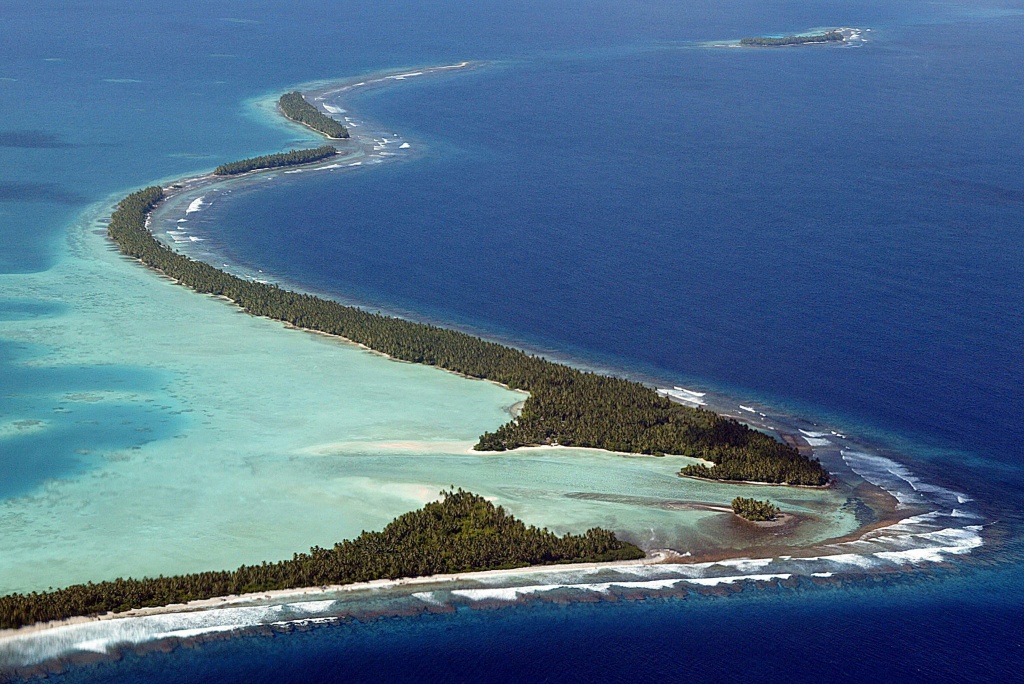
This week's meetings in the city of Nadi and on the atoll nation of Tuvalu are aimed at drawing the world's attention to life on the frontline of climate change in the Pacific.
They are a precursor to the larger UN-sponsored global climate summit -- known as COP31 -- to be held in Turkey next month.
Highlighting the need for urgent action, United Nations climate chief Simon Stiell cited a new survey showing more than two-thirds of health professionals across five continents had seen complications caused by intense heat in the past five years.
"Climate-driven extreme heat during pregnancy is increasingly linked to premature birth, stillbirth, low birth weight, and maternal complications," he said.
The Plan International charity said in a separate report on Monday that climate disasters were also increasing the risk of child marriage and teen pregnancies, in part through their impact on the health and education services on which girls depend.
The South Pacific is among the most vulnerable regions in the world to global warming -- from rising sea waters jeopardising homes to increasing temperatures causing coral bleaching.
Fiji's climate minister Lynda Tabuya called for commitments from developing nations to a "just transition", with support for "countries in the world that suffer the most".
A UN report released in August found developing countries needed $310 billion-$365 billion to adapt, yet had only $26 billion in adaptation finance available in 2023.
"We rely on and we appeal to countries to commit to climate finance," Tabuya said.
Australia -- the head of this year's climate negotiations and a major coal exporter -- faces accusations of hypocrisy. Its sales of the fossil fuel have boomed on the back of demand caused by the Middle East conflict.
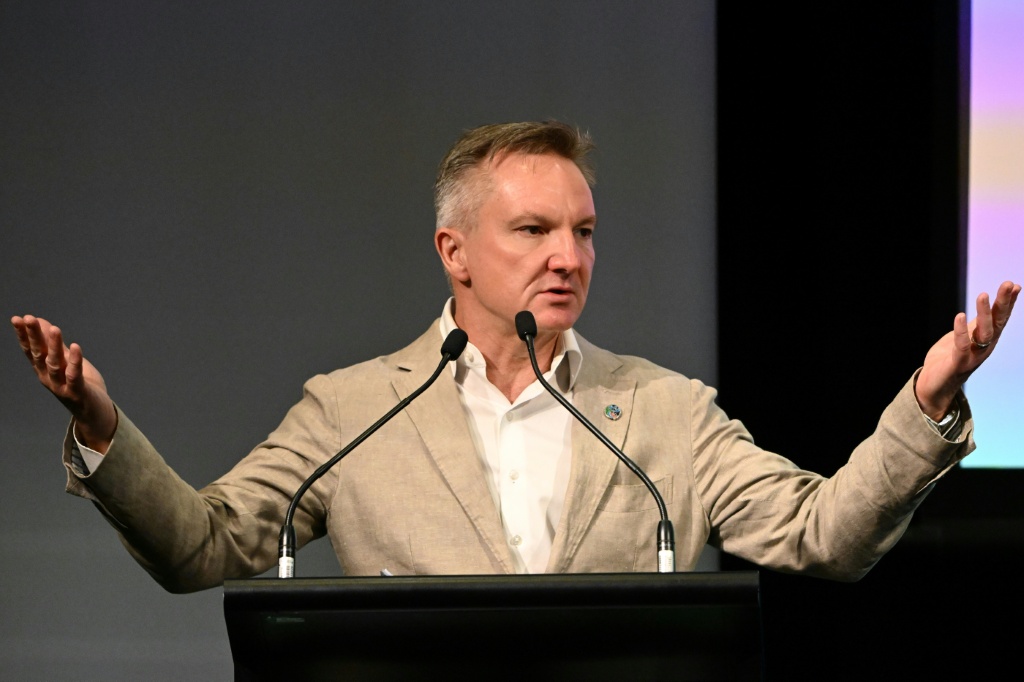
Tabuya told journalists there had been "frank discussion" on Monday with Australian counterpart Chris Bowen and Pacific officials.
"Yes, we have sentiments expressed from certain countries," she said, when asked if she backed calls from other Pacific leaders for Australia to halt expansion of coal and gas projects.
"But for the Pacific, it's important at this pre-COP that we find common ground. There will be things that we disagree on, but we can agree to disagree," Tabuya said.
Also high on the agenda is a push by Pacific leaders for the world to stick to a target of limiting global warming to 1.5C and give more attention to the impact on oceans.
"Keeping 1.5 alive means hope -- hope for Tuvalu, hope for Kiribati, hope for small island atolls around the world," Bowen told journalists.
"We can actually come to this conversation and say, 'as a fossil-fuel exporting nation, we can bring something different to the table'," he said.
Sea levels are also rising at a record pace, driven by warming oceans and glacier melt, according to the August UN report.
Up to 1.2 billion people could be displaced by 2050, with Pacific island countries experiencing sea level rise at twice the global average, it said.
Regional leaders have pitched the pre-COP as a chance to bring the world to the Pacific and they are keen to show the impact climate change is having on the region.
In Naidiri Village, a marine protected area an hour's drive south of Nadi, locals described efforts to combat coral bleaching and improve ocean health.
"Countries that don't cause climate change are being affected," Joseva Kunagado, 21, told AFP.
Manoa Duwai, who set up Naidiri Village's marine protected area more than a decade ago after realising the damage wrought by overfishing, said they were experiencing climate change "every day".
"The sea level is rising, and a heat wave earlier this year," he said.
"A message to the developed countries: do remember, don't forget."
Delegates will also take a one-day trip on Tuesday to low-lying Tuvalu, which is already laying plans to relocate its population if it is consumed by the ocean.
Bowen confirmed on Monday that 14 leaders -- the majority from the Pacific -- would make the trip.
Tuvalu is one of the world's least visited countries and the highest point in its capital, Funafuti, is just two metres (6.6 feet) above sea level.
Latest stories

Sports Alcaraz advances to Japan Open final
Defending champion Carlos Alcaraz advanced to the final of the Japan Open on Monday after securing a hard-fought 5-7, 6-3, 6-1 victory...

Society Hundreds of French high schools shut as protests persist
French high-school students on Monday pressed on with a protest movement over learning conditions that has rocked the European nation since last week, with lessons...

Asian Edition Euro, French stocks slide on France debt concerns
The euro slid to the lowest level against the dollar in 17 months and the Paris stock market shed one percent Monday on growing concerns about France's high debt levels after an...