


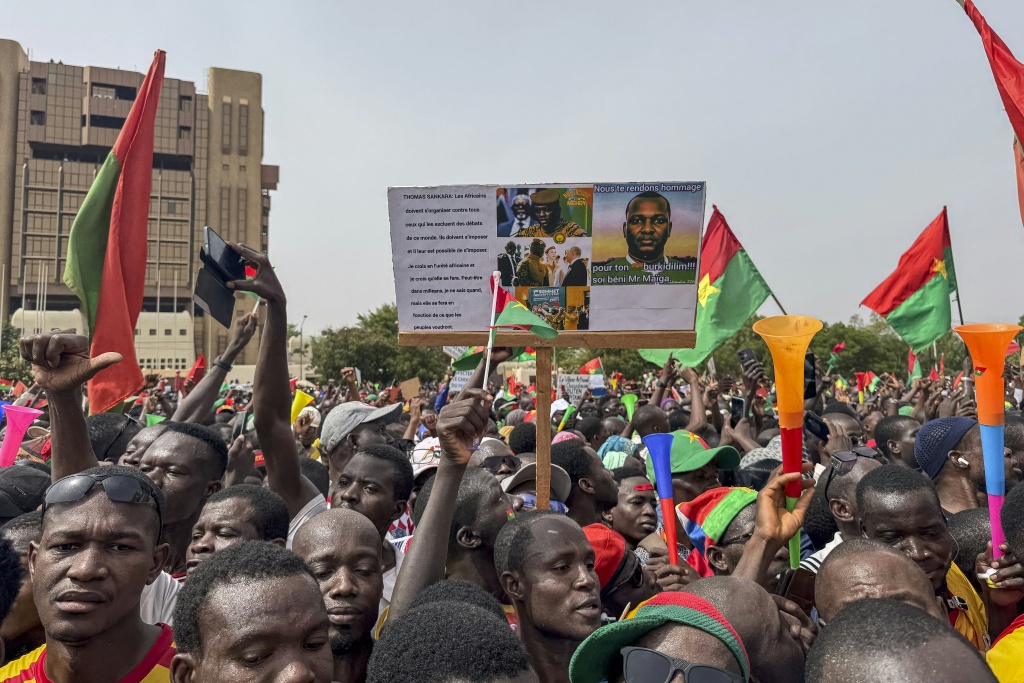
Since the military seized power in Burkina Faso four years ago, it has striven for economic self-sufficiency -- producing and processing locally, and financing development through the country's own resources.
Backed by an aggressive but carefully controlled communications strategy, particularly on social media, the junta says it is transforming the west African country and improving its economic self-reliance.
Junta leader Ibrahim Traore regularly launches projects in person, lays foundation stones and opens factories.
The government has pushed textiles, arms manufacturing, agriculture and raw materials, and has plans for a motorway to link the capital Ouagadougou to Bobo Dioulasso, the second largest city.
"Given its position and its quest for sovereignty, the country has no choice but to rely on its own resources," economist Abdoul Kader Ouedraogo told AFP.
It is difficult to independently verify what real achievements have been made -- the junta severely represses criticism.
But it is clear the state budget is constantly rising.
"Over the past four years, the budget has done nothing but grow, with revenue rising from 2,600 billion CFA francs in 2023 ($4.5 billion) to 3,700 billion in 2026. It is the largest budget ever seen," Ouedraogo said.
"The country is seeking to finance itself. Ninety percent of revenue comes from taxes. And the deficit is better under control than in 2024, falling from 4.6 to 2.6 percent of GDP," he added.
Burkina's government has committed to developing the landlocked country on its own or with partners deemed more genuine than the colonial and post-colonial powers like France and the European Union that aided it in the past.
In that way, it is following the example of the revolution championed by Thomas Sankara -- a pan-Africanist hero and fellow coup leader who was in power in the 1980s.
Burkina nevertheless continues to receive loans from the International Monetary Fund and the World Bank to finance a string of projects.
According to official figures, cereal production reached 7.2 million tonnes in 2025, representing 126 percent of national needs, while the industrial sector's contribution to GDP rose from 24 to 32.9 percent.
But like many African countries, Burkina is not immune to inflation, despite price controls imposed by the authorities.
"Everything at the market is expensive. Everything is getting dearer while people's purchasing power carries on falling," a resident of the capital told AFP on condition of anonymity for safety reasons.
"There's a gap between the official price and the actual price on the ground," he complained.
A tonne of cement costs 10 percent more than the official price and a bag of rice has gone up by 20 percent in recent months, he said.
"The cost of living is going up all the time," concurred a former MP, who also spoke anonymously.
"The trade minister acknowledges there are price rises for sugar, eggs and fish. In some areas, goods are becoming scarce -- and anything that is scarce is expensive," he said.
One reason for Burkina's trade surplus is its gold.
It extracted more than 94 tonnes of the precious metal in 2025, making it one of the continent's leading producers.
The government opened a major gold refinery in Ouagadougou in late September -- another example of its drive for control over the processing of its own raw materials, as Traore made clear at the time.
"The economic revolution is going from strength to strength," he said.
"We've brought in many reforms and launched a number of initiatives, particularly in agriculture and industry," he added.
The junta leader makes no secret of his admiration for Sankara, who advocated self-sufficiency.
In 2024, the ruling military set up what it called a Patriotic Support Fund, which helps finance the fight against jihadists who have plagued the country for more than a decade.
The scheme is financed by voluntary donations, compulsory deductions from salaries in both the public and private sectors, and levies on consumer goods such as drinks, cigarettes and mobile phone services.
The authorities say they have raised around $850 million through the fund over three years.
But the former MP said the anti-jihadist military campaign could be putting a strain on household incomes.
Latest stories
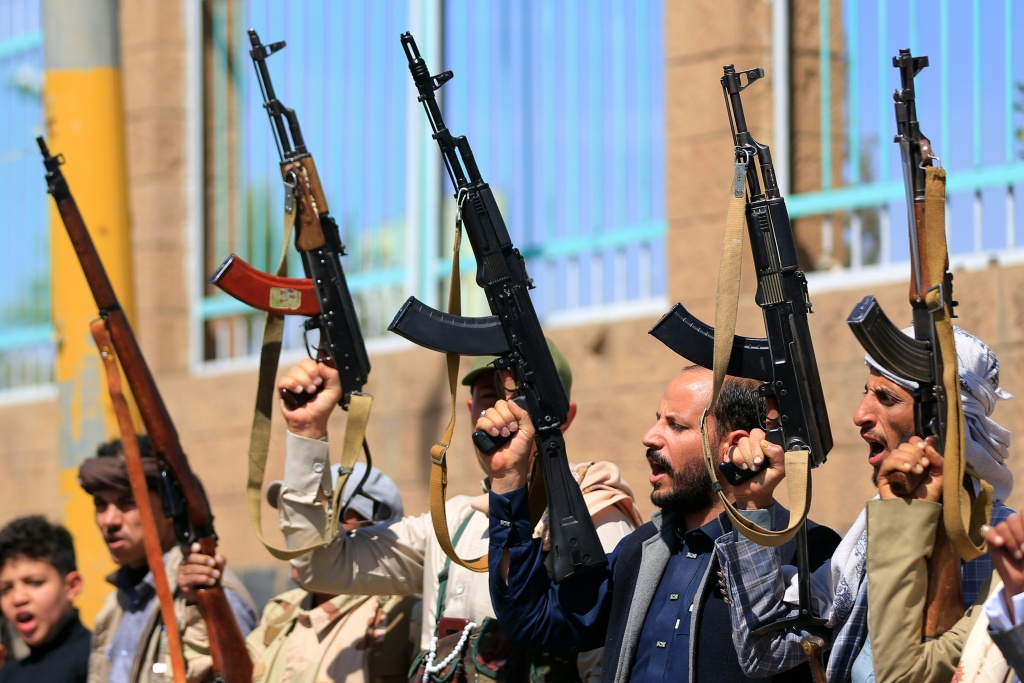
Middle East Saudi says three dead in airport attacks claimed by Houthis
Saudi authorities said Wednesday three people were killed in attacks on two of the kingdom's international airports, including in the capital Riyadh, after Yemen's Houthis claimed to...
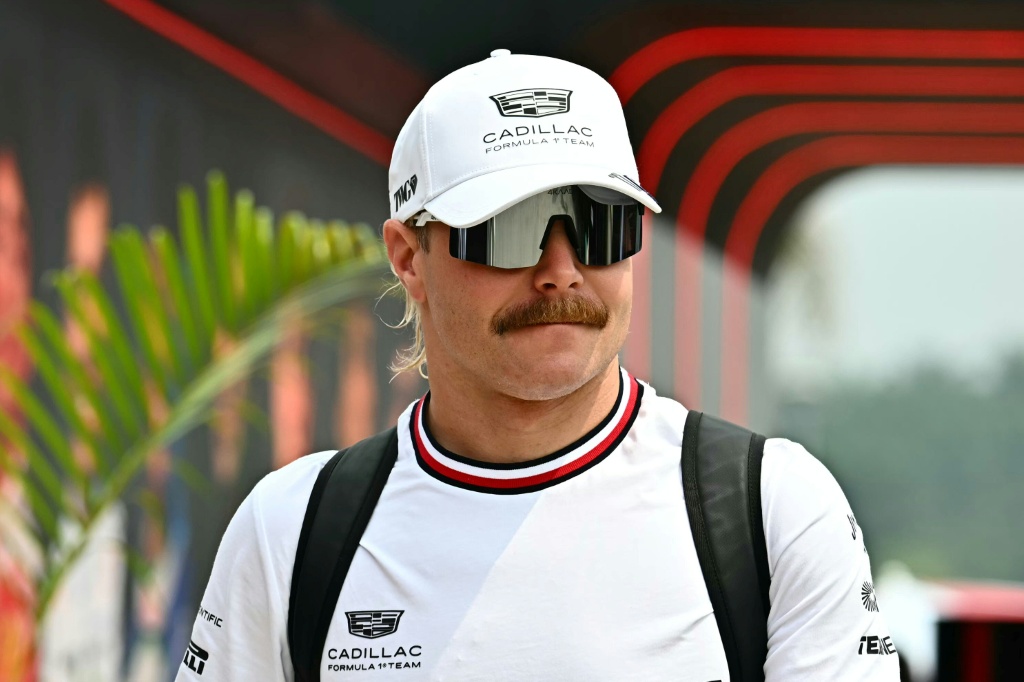
Sports On your bike! Bottas opts for two wheels to reach Singapore GP
Valtteri Bottas swapped his Formula One car for a bicycle as he pedalled the 420 kilometres from Sepang in Malaysia to...
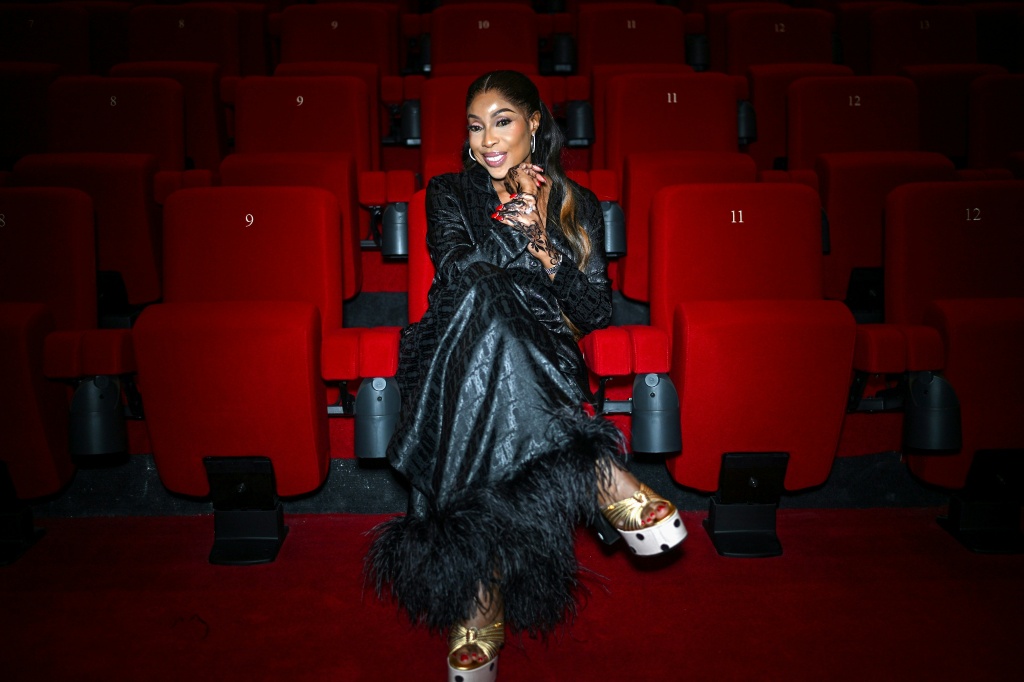
Arts and Entertainment 'Mad dream': New showcase for African film opens in London
Nigerian producer and media mogul Mo Abudu has realised a "mad dream" by opening a unique cultural centre in London complete with a cinema dedicated...