
AFP picks up two SOPA nominations for Myanmar and Afghanistan reporting
Agence France-Presse has been nominated for two 2025 Society of Publishers in Asia Awards for Excellence in Reporting Breaking News for its Myanmar earthquake coverage and for Excellence in Photography for a report on cosmetic surgery in Afghanistan.
When the quake hit Myanmar on March 28, killing more than 3,000 people, an AFP team was already in Naypyidaw, having covered a military parade the day before. AFP is the only international news agency that keeps a full bureau in Yangon, and that presence is what made the coverage possible.
Southeast Asia bureau chief Sebastien Berger, Yangon bureau chief Joe Stenson, Myanmar correspondent Hla Hla Htay, and photographer Sai Aung Main reached the capital's biggest hospital before junta leader Min Aung Hlaing arrived, getting rare, unguarded shots of him at an outdoor treatment centre. They later filed from Mandalay, which suffered the highest death toll from the quake, reporting out of a wrecked school, the ruins of the Sky Villa condominium complex, a Buddhist examination hall and a public crematorium.
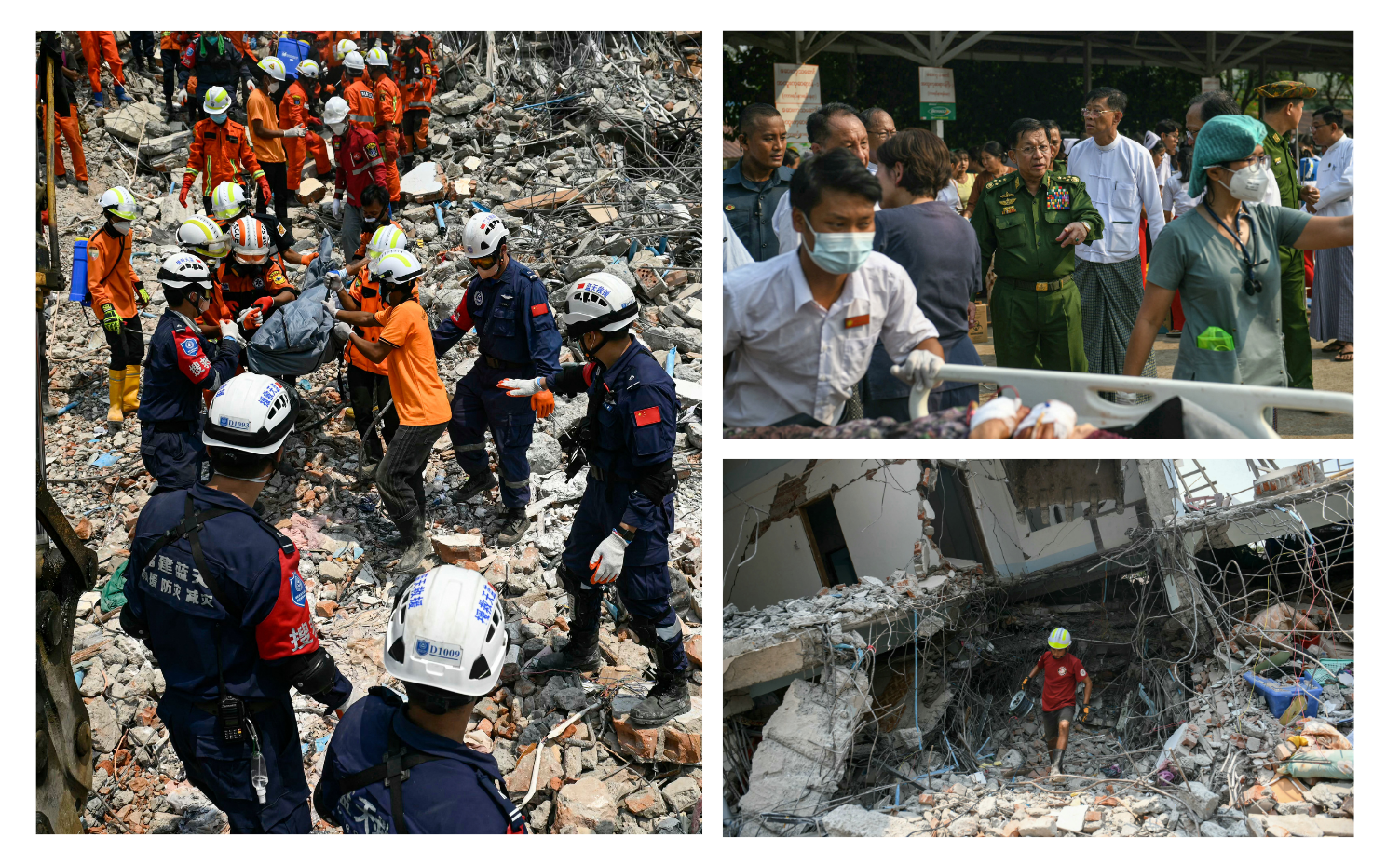
AFP Myanmar Correspondent Hla Hla Htay said “At the time we weren’t thinking about how big the story was, we weren’t competing with others. We could see the plight of the people on the ground, and as a local journalist I knew we needed help – our country was not prepared. We wanted to report from the ground as a service to people in this country in a disaster situation. I really believe that being an independent and credible news agency, reporting from disaster sites in the immediate aftermath spurred aid efforts and saved some lives.”
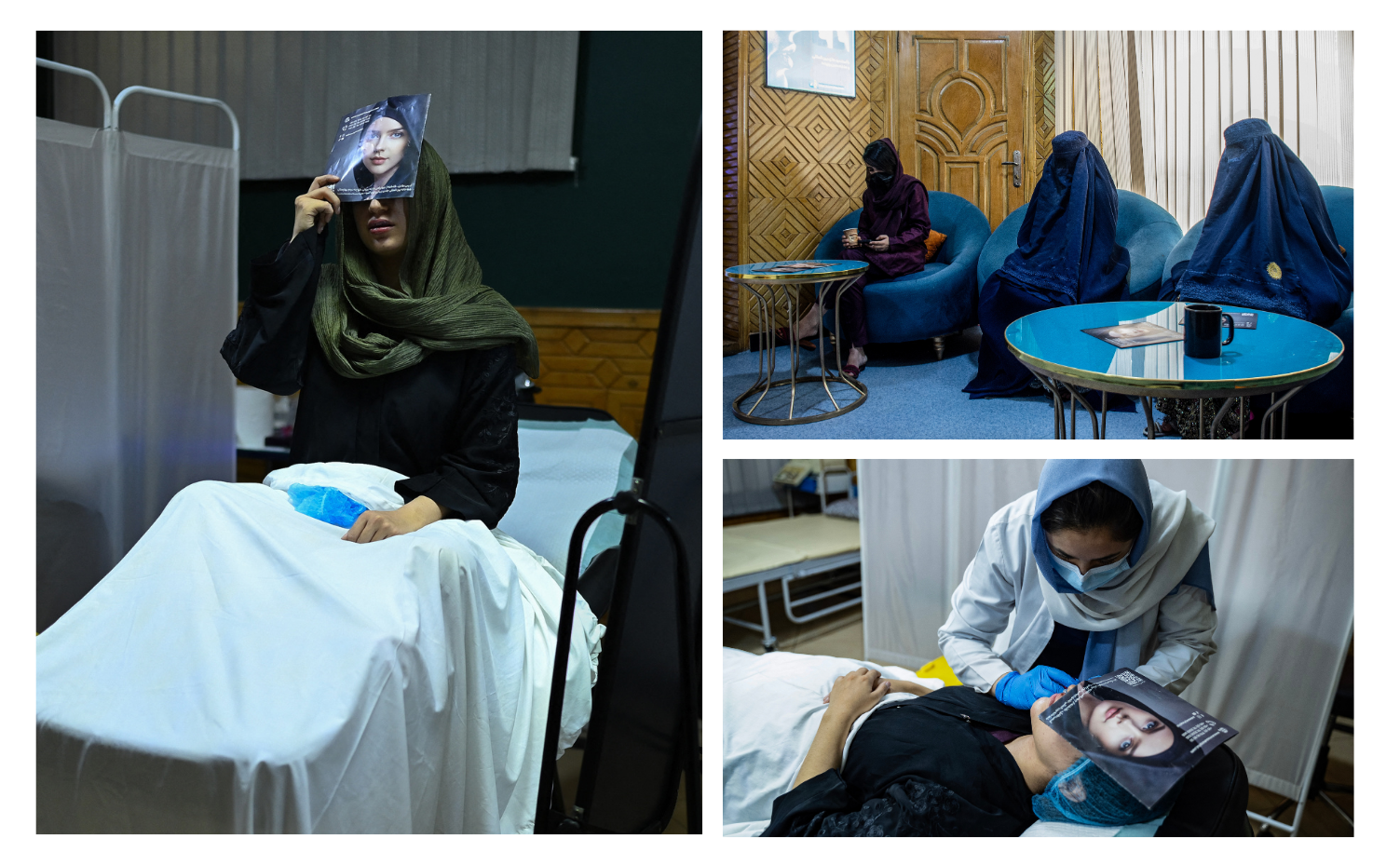
The Afghanistan nomination came out of AFP's Kabul bureau, which is the only international operation in the country with women as bureau chief, Afghan correspondent and foreign correspondent. The story started when journalists noticed hair transplant adverts around the city, looked into them, and found that women were quietly using the same clinics for plastic surgery, given that women are barred from most public places and the Taliban has shut every beauty salon in the country.
Getting the story out wasn't simple. Clinicians didn't want procedures filmed and clients didn't want to be identified. It took multiple visits and a lot of back-and-forth before the team found a way to tell it in text, photo and video without exposing anyone. The AFP photographer behind the coverage, Wakil Kohsar, described how delicate the shoot had to be:
“Often, the visually appealing angles and images were difficult to capture, as some patients, especially women, did not allow me to take their picture. Some doctors were also unwilling to have surgical procedures photographed. Clinic managers and the medical team were worried and afraid of the Taliban authorities, fearing that the report would affect their business and lead to the closure of their clinic.”
What came out of it was a look at how some Afghan women are turning to cosmetic surgery despite the restrictions they live under.
Both nominations highlight AFP’s commitment to on-the-ground reporting and a global network of journalists.