


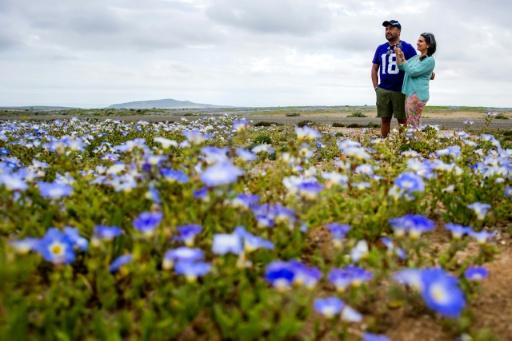
A resplendent display of flowers has bloomed across Chile's Atacama Desert, one of the driest places on earth, after the El Nino climate phenomenon brought heavy rain to the region.
Underneath the normally parched earth, millions of seeds and bulbs from around 200 different species spend their days lying in wait for water.
Heavy rain caused by the El Nino weather pattern recently lashed northern Chile, prompting this abundant ensemble of living things to emerge from their hiding place.
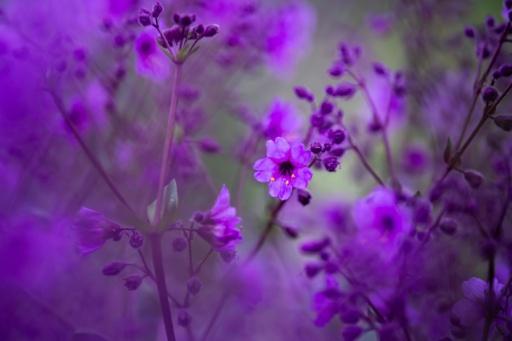
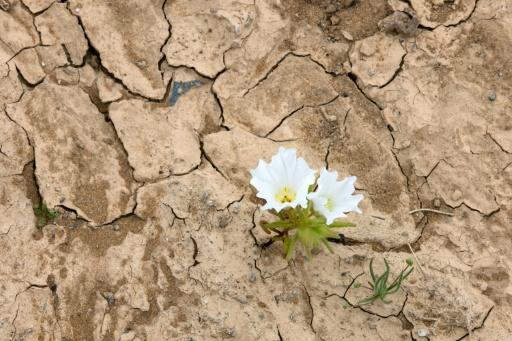
Now, vast stretches of violet carpet the desert, and angelic white buds peek out from the cracked ground.
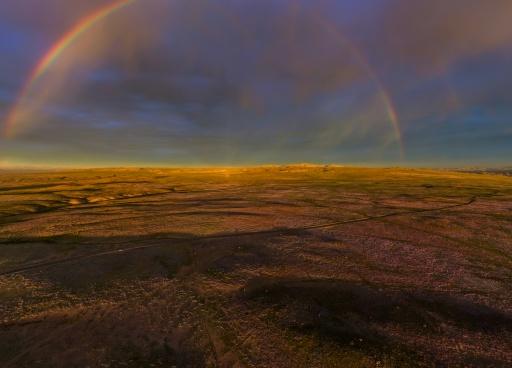
Dozens of tourists pull over to snap pictures of the breathtaking scenery that, with any luck, might even include a rainbow superimposed over a deep red sunset.
Seasonal rain of over 180 millimeters in some parts "had never been recorded before," Cesar Pizarro, head of Atacama biodiversity for Chile's forestry body CONAF, told AFP.
Rainfall seeped deeper than usual into the sand, giving a new lease on life to the nature reserve located about 800 kilometers (500 miles) north of Santiago.
The "flowering desert" phenomenon will peak in October, according to CONAF, which estimates that 15,000 hectares will blossom into a floral paradise.
The current iteration of El Nino is predicted to be the strongest since comparable records began four decades ago.
The phenomenon raises surface temperatures in the central and eastern equatorial Pacific Ocean and causes global changes in winds and rainfall as well as erratic weather conditions.
The torrential rains that pounded Chile in July killed 13 people and destroyed or severely damaged around 4,000 homes.
While acknowledging these devastating effects, Pizarro also highlights that nature can benefit from El Nino.
"Although there is great concern… about the impacts it is causing in many places, it also generates life," he said.
Atacama is witnessing "more than flowers," he added, explaining that insects, snails, birds, reptiles and mammals proliferate too.
Bees get busy with pollination, while beetles feast on their leftovers and fertilize the soil with their nitrogen-rich excrement ahead of the next rainfall.
Pizarro hopes that a massive influx of tourists won't wreak too much damage on the natural haven, stressing the importance of using established footpaths and leaving pets at home.
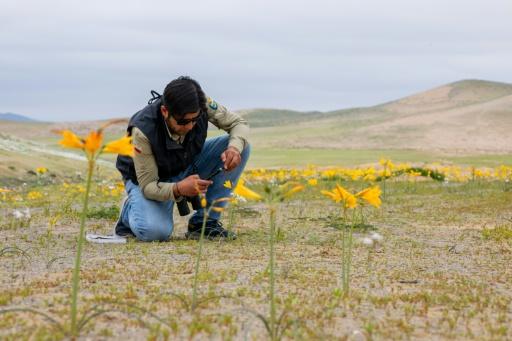
"For our country, the flowering desert is a source of pride. It is part of our heritage," he said, admiring the yellow beauties sprouting all around him.
"Although there are several deserts that bloom when it rains, the territorial extent and the diversity of species we have here are unique," he said.
Latest stories

La Une الاتحاد الأوروبي يجدد عقوباته على موسكو مع استثناء رجلَي أعمال روسيَّين
جدّد الاتحاد الأوروبي الثلاثاء في اللحظة الأخيرة عقوباته على موسكو، مذعنا على مضض لمطالب فرنسا ولوكسمبورغ اللتين نجحتا في سحب اسمي رجلي...

La Une تخريج الدفعة الأولى من معهد الشرطة النسائية الجديد في سوريا
تخرّجت الثلاثاء دفعة أولى ضمّت 150 امرأة من معهد الشرطة النسائية في ريف دمشق الذي أنشأته السلطات الجديدة ضمن إعادة بناء أجهزة الأمن في سوريا، حيث لا يزال...

من الدنيا ترامب يقول إنّه يعارض أي "مشروع عالمي" لتنظيم الذكاء الاصطناعي
رفض الرئيس الأميركي دونالد ترامب بشدة الثلاثاء أمام الجمعية العامة للأمم المتحدة الدعوات المتزايدة المطالبة بإشراف دولي على الذكاء الاصطناعي، ووصفها بأنها "مشروع عالمي"...