


G7 nations called on Yemen's Houthis Tuesday to halt strikes on Saudi Arabia, offering a show of solidarity with Riyadh as the Tehran-backed fighters have added a new threat to the Middle East war.
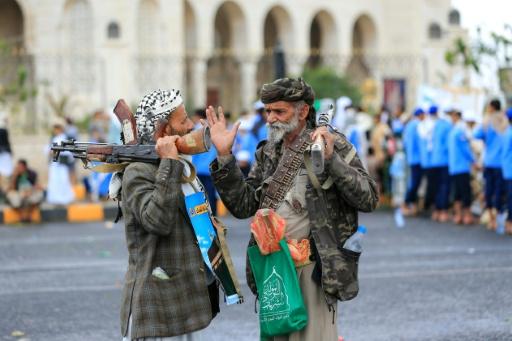
The Houthi movement staged a lightning offensive in recent weeks to take over Yemen's entire Red Sea coast, including Mokha, threatening global trade and pushing up energy prices up.
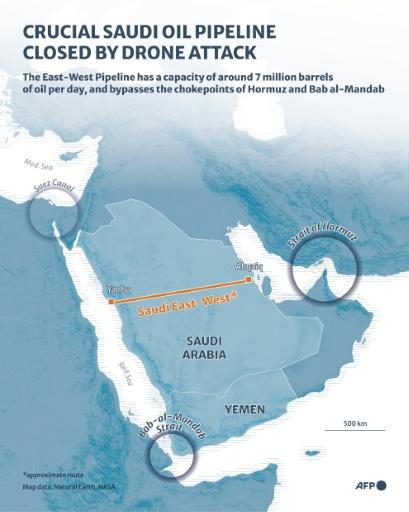
Gains made by Yemen's Houthis have cemented Iran and its allies hold over two key waterways, including the Strait of Hormuz, that the wider Gulf and top crude exporter Saudi Arabia rely on to ship out its oil.
G7 leaders representing Canada, France, Germany, Italy, Japan, the United Kingdom and the United States said in a statement "we call on the Houthis to immediately cease all military actions".
"All threats and attacks against civilian shipping, and to return to the political process in good faith," it added.
They also called on Iran "to end its arming of and support for the Houthis," alleging Tehran is in violation of past UN Security Council resolutions.
The war in impoverished Yemen, which began in 2014 with the Houthi capture of the capital Sanaa, had been largely frozen since 2022 but resumed in July.
Saudi Arabia has led a coalition backing the internationally recognised government since 2015. Its intervention escalated the war, which has triggered one of the world's worst humanitarian crises.
Saudi strikes on Yemen's strategic Red Sea port Mokha killed at least six people and wounded eight others, the Houthi-affiliated news agency Saba reported Tuesday.
The strikes come off the back of a Houthi attack on Riyadh on Saturday which marked the first to target the Saudi capital in years and a major escalation by the pro-Iranian fighters.
Britain agreed to give military support to Saudi Arabia, media reports said Monday, adding that the UK would provide "defensive" air-to-air refuelling for Saudi jets.
France also pledged their support saying it is ready to work on "securing" Saudi energy infrastructure targeted by Iran-backed Houthis, adopting a "strictly defensive approach", a diplomatic source told AFP Monday.
"This in no way involves taking part in the conflict with the Houthis," the source added.
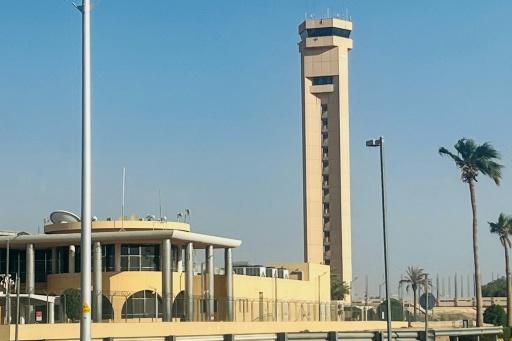
The Houthis have carried out attacks against facilities belonging to the Saudi oil giant Aramco in the Red Sea port city of Yanbu. The East-West Pipeline -- a crucial crude oil export route -- has also been shut down following drone attacks launched from Iraq, according to Riyadh.
The head of Yemen's governing body Rashad al-Alimi held a call with US President Donald Trump to request American support against the pro-Iranian fighters, a source in Alimi's office told AFP on Monday.
Trump did not promise military support, the source said, adding that the call that took place on Sunday was intended as a show of solidarity with Yemen's embattled government.
Saudi Crown Prince Mohammed bin Salman also urged Trump to strike the Houthis, US media reported.
The New York Times said the crown prince called Trump on Sunday "to implore him, again" to help counter the group's advances, with Axios previously saying Trump had rebuffed a similar request last week.
Fox News reported Sunday that Trump had said the Houthis have agreed not to hit US targets.
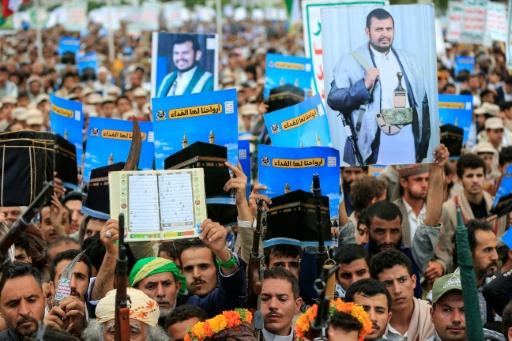
The Houthi movement, also known as Ansar Allah (Supporters of God), is named after its late spiritual leader Badreddin al-Houthi and his son Hussein, who was killed by Yemeni government forces in 2004.
Houthi's other son, Abdulmalik, assumed the reins of power, delivering fiery speeches and transforming his group from an isolated faction in the northwest into the ruling power in the capital and a regional player.
In one such speech on Monday Abdulmalik said Saudi had launched 760 airstrikes as of a day earlier questioning "if Pakistan and Turkey were subjected to this number of strikes, wouldn't it cause a major crisis?"
He said Saudi Arabia is seeking to "push the Turks and Pakistanis forward and import Takfiris (the charge of apostacy) from Syria, at a time when Syria is facing total destruction" advising the two countries "not to become entangled for political and financial gain from the Saudi enemy".
Pakistan, Saudi Arabia and Turkey last month signed the so-called Mecca Joint Defence Agreement, committing the three countries to mutual defence in the event of any of them being attacked.
The pact came against a backdrop of war between the United States and Iran and attacks in the region from Tehran-backed Houthi forces.
Latest stories
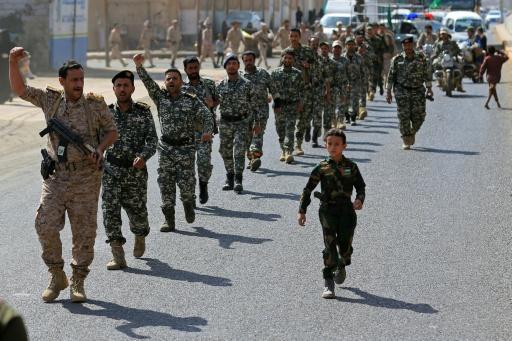
La Une مجموعة السبع تندد بهجمات الحوثيين على السعودية
أعربت مجموعة السبع الثلاثاء عن دعمها للمملكة العربية السعودية والحكومة اليمنية، عقب تصاعد هجمات الحوثيين التي تزيد من تعقيد الحرب في الشرق...
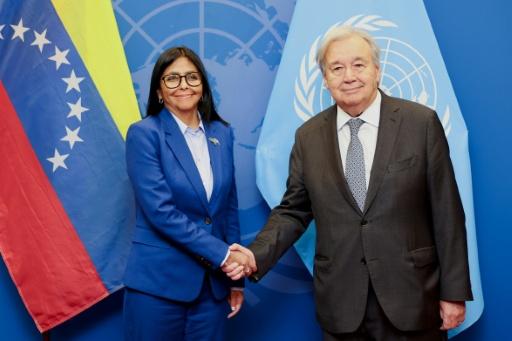
اخبار دولية رئيسة فنزويلا بالوكالة تصل إلى الولايات المتحدة للمشاركة في اجتماعات الأمم المتحدة ولقاء ترامب
وصلت الرئيسة الفنزويلية بالوكالة ديلسي رودريغيز إلى الولايات المتحدة الاثنين للمشاركة في اجتماعات الجمعية العامة للأمم المتحدة وعقد لقاء مع...
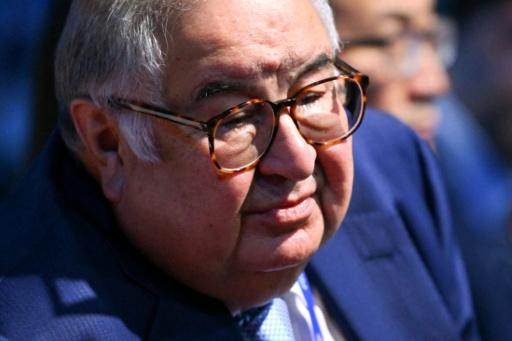
La Une الاتحاد الأوروبي يخفق في التوصل إلى تسوية لرفع العقوبات عن رجلَي أعمال روسيَّين
أخفقت دول الاتحاد الأوروبي الاثنين في إقرار تسوية تتيح رفع العقوبات عن رجلَي الأعمال الروسيَّين عليشير عثمانوف وميخائيل فريدمان، على أن تتواصل...